Many users need to check your phone for privacy risks after installing new apps because app setup often happens quickly. A person downloads a tool for shopping, editing, travel, games, or messaging, taps through several permission requests, and starts using it right away. Later, that same app may still have access to location, photos, contacts, notifications, or background activity long after the original setup moment is forgotten.
Privacy specialists explain that the biggest risk does not always come from one obviously suspicious app. It often comes from normal apps collecting more access than users realize across weeks and months. Mobile security researchers also note that a short review after installation is one of the easiest ways to reduce unnecessary exposure before those settings become invisible daily habits.
Why It Helps to Check Your Phone for Privacy Risks After Installing New Apps
New apps often ask for access during the first few minutes of use, which is exactly when users are least likely to read every request carefully. The goal is usually convenience. People want the app to work, so they approve what seems necessary and move on. The problem is that some of those approvals may be broader than the app really needs for normal use.
Digital safety experts explain that first-run setup is one of the most important privacy moments on a phone. Decisions made in those first screens can shape what the app can see, store, or request later. A short review after setup helps users correct anything that was allowed too quickly.
Experts recommend treating new app setup like a short probation period. An app should earn broad access by proving it actually needs it.
[IMAGE PLACEMENT]
Description: Person opening a newly installed app while privacy prompts appear during setup
Orientation: Landscape (horizontal)
Suggested Search Query: person opening newly installed app privacy prompts setup screen
Source: Pexels / Unsplash / Pixabay
Credit: Photographer Name / Platform
Alt Text: new app setup prompts that should be reviewed for privacy risks
Placement: After this section
How to Check Your Phone for Privacy Risks After Installing New Apps in Settings
One of the easiest ways to check your phone for privacy risks after installing new apps is to open the phone’s privacy or app settings and review the newest app directly. Many phones show permissions, background activity, notification access, battery use, storage access, and network behavior in one place. This gives users a practical way to see what the app can reach beyond its main function.
Phone support teams recommend starting with the app’s permission list first. This is often where the biggest mismatches appear. A weather app may have precise location all the time. A simple game may have contact access. A shopping tool may request microphone permission even though voice features are not part of daily use.
Experts suggest looking for the difference between what the app does and what the app can access. That gap often reveals the most important privacy questions.
Why Permission Requests Deserve a Second Look After Setup
Many people assume permission review only matters during installation, but it also matters after the app has been used briefly. Once users understand what the app actually does, they are in a better position to judge what access still makes sense. Some permissions that felt reasonable at first may look unnecessary after a day or two of real use.
Privacy analysts explain that this second look is valuable because users now have context. An app that promised local weather may not need full-time location in the background. A photo-editing app may need access to selected images but not to the entire gallery all the time. A travel tool may need notifications for bookings but not promotional alerts every day.
Experts recommend reviewing permissions after the first real use, not only before it. Actual experience often reveals what access is truly useful.
How Background Activity Can Create Hidden Privacy Exposure
Some of the most important privacy checks happen outside visible app use. A new app may continue running in the background, checking location, refreshing content, uploading data, or sending usage information even when the user is not actively touching it. This can create a larger privacy footprint than people expect from a tool they only open occasionally.
Mobile performance specialists explain that background activity matters because it often overlaps with both privacy and battery life. An app working heavily in the background may not only consume power, but also keep accessing information or network connections more often than needed.
Experts recommend checking whether the app still behaves reasonably when background activity is reduced. In many cases, the app remains useful while sharing less and doing less behind the scenes.
Why Notification Access Is Also Part of Privacy Review
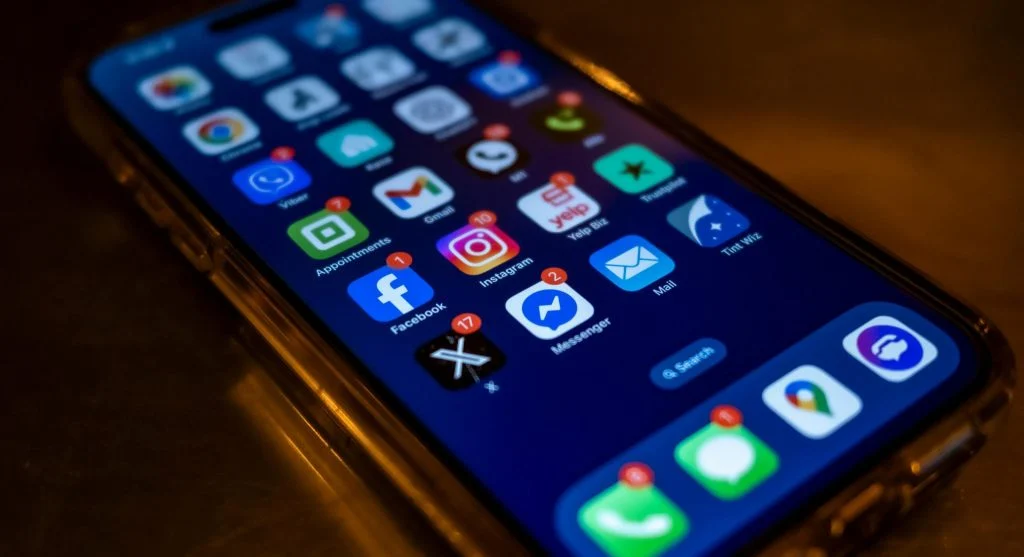
Users often think of privacy only in terms of location, camera, or microphone, but notifications are also part of the privacy picture. A new app with notification access can surface account details, shopping prompts, direct messages, lock screen previews, and marketing alerts in ways that affect both privacy and daily comfort.
Digital usability researchers explain that notification permissions deserve attention because they shape how often the app interrupts the day and what information appears publicly on the screen. A delivery app may need shipment alerts, but a game may not need daily lock screen prompts. A finance app may deserve tighter preview settings than a casual entertainment tool.
Experts recommend reviewing both whether the app can notify and how those notifications appear. Sometimes the privacy fix is not turning alerts off entirely, but limiting previews or lowering interruption level.
How Account Sign-In and Connected Services Increase Risk
Many new apps become more useful after the user signs in with email, social accounts, cloud storage, or payment tools. That convenience can also increase privacy exposure because the app may now connect to a wider account system instead of working only on the phone by itself. A simple app can become much more connected after login than it first appeared.
Account security specialists explain that users should notice what the app links to during setup. If it requests access to calendars, contacts, cloud photos, shopping accounts, or linked logins, that expands the privacy picture. A narrow app can become broad quickly once outside services are connected.
Experts recommend checking linked-account settings after installation, especially when the app signs in through an existing major account. The app’s behavior may depend as much on those connections as on the app’s own local permissions.
Why App Data Sharing and Analytics Settings Matter
Some apps include extra settings for analytics, personalization, ad measurement, or usage sharing that are easy to miss during installation. These controls may not stop the app from working, but they can change how much behavior is shared for product improvement, marketing, or profile building.
Privacy researchers explain that users often never open the app’s own settings menu after the first launch. That is where many optional sharing controls remain hidden. If the app includes a privacy, data, or advertising section, it may offer choices that reduce unnecessary background sharing without removing the feature people downloaded the app for in the first place.
Experts recommend checking the app’s internal settings after installation, not only the phone’s system settings. The strongest privacy review often includes both layers.
How to Decide Whether an App Still Feels Worth the Access
After reviewing permissions, notifications, background activity, and account links, users can ask one simple question: does this app provide enough value to justify what it wants? Some apps clearly do. A map app may need location. A calling app may need contacts and microphone. Others may feel much less convincing once the full access picture becomes visible.
Consumer technology educators explain that privacy decisions become easier when value and access are compared directly. If the app is rarely used and requests broad access, removal may be the simplest answer. If it is useful but over-permissioned, narrowing access may be the better fix.
Experts say this is where privacy review becomes practical. The goal is not to fear every app. The goal is to keep only the access that fits the purpose clearly.
Why Small Reviews After Installation Keep Phones Safer Over Time
Phone privacy becomes harder to manage when apps pile up without review. A short check after each new installation is easier than a large cleanup months later when dozens of apps already hold old permissions. Small reviews build better habits because they happen while the app is still new enough to evaluate clearly.
Mobile security educators recommend doing a quick privacy check within the first day or two after installing any app that asks for sensitive access, background activity, or account connections. That short habit often prevents bigger clutter and confusion later.
Experts say the best way to check your phone for privacy risks after installing new apps is simple: review what the app can access, compare that to what it actually does, and remove anything that no longer matches the app’s real value.
Frequently Asked Questions
Q: Why should users check privacy risks after installing a new app?
A: New apps often collect permissions during setup, and some of that access may be broader than the app really needs later.
Q: What should users review first after installing an app?
A: Experts usually recommend starting with permissions, background activity, notification access, and linked account settings.
Q: Can a normal app still create privacy risk?
A: Yes. Even ordinary apps can hold more location, photo, contact, or tracking access than users realize.
Q: Should users check the app’s own privacy settings too?
A: Yes. Many apps include additional sharing, analytics, or ad settings inside the app itself.
Q: What if an app seems useful but asks for too much access?
A: Users can often narrow permissions first and see whether the app still works well enough without broad access.
Key Takeaway
Learning how to check your phone for privacy risks after installing new apps helps users catch unnecessary access before it becomes part of normal phone life. Experts recommend reviewing permissions, background activity, notifications, account links, and in-app privacy controls soon after setup. A better privacy habit usually comes down to one simple rule: if an app wants broad access, it should have a clear reason that still makes sense after the installation excitement is over.