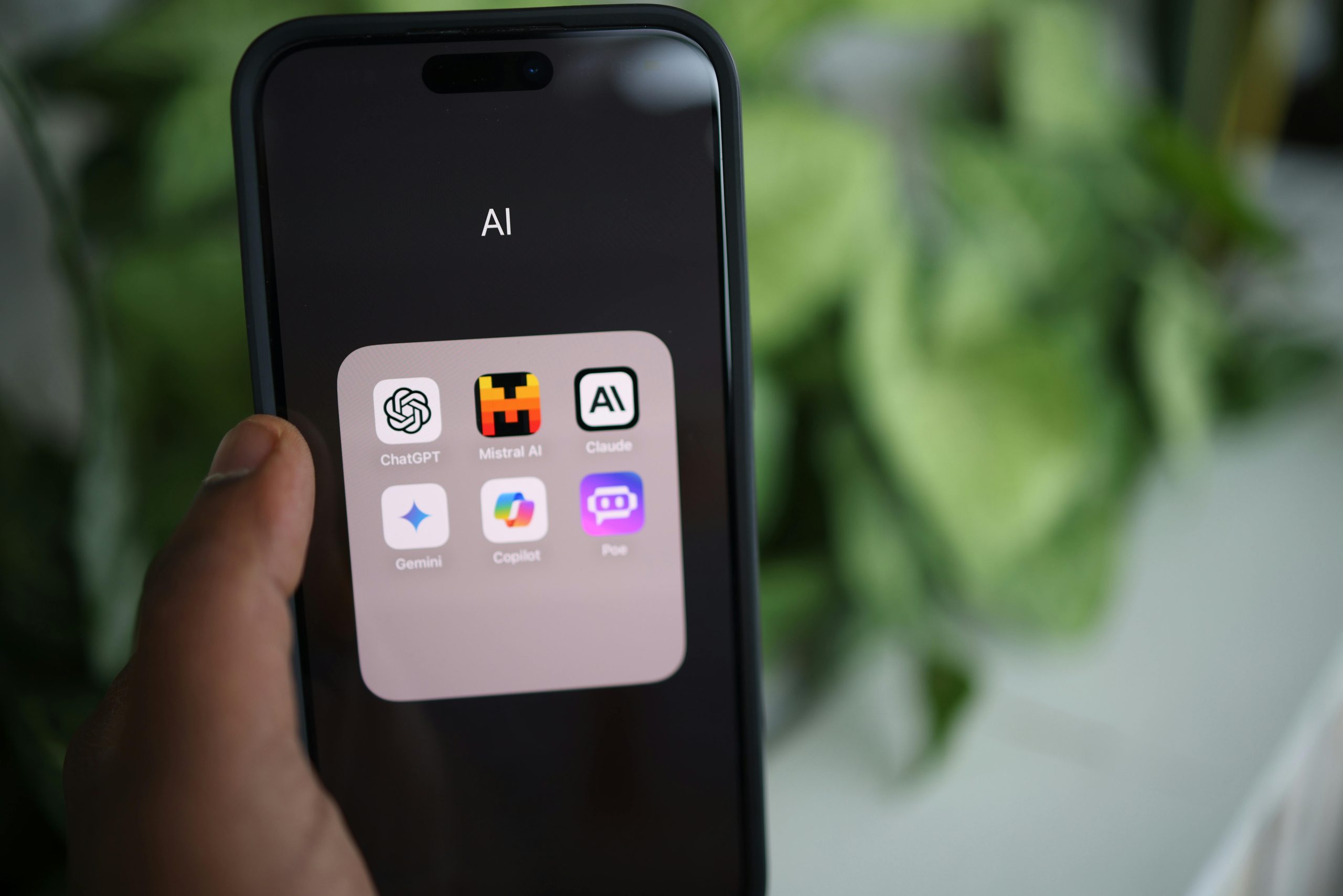

For many people, taking notes has always involved a tradeoff. If they write too much, they may miss the flow of the conversation. If they focus too closely on listening, they risk forgetting important details later. That tension is one reason AI note-taking tools are getting so much attention. They promise to reduce the pressure of capturing every point by hand while still helping people return to the important parts afterward.
Technology researchers explain that note-taking is no longer only about storing information. It is also about making that information easier to review, search, and use once the moment has passed. Productivity specialists also note that modern work and study routines create more spoken and written information than many people can comfortably manage by memory alone. AI note tools have become popular because they try to turn that overload into something more organized and useful.
What AI Note-Taking Tools Actually Do
The easiest way to understand AI note-taking tools is to think of them as digital helpers that do more than save plain text. Some capture spoken conversations and turn them into written notes. Some summarize what was said. Others pull out action points, deadlines, topic headings, or short recaps that help users revisit the material later.
Software analysts explain that these tools vary widely in style. One app may focus on meeting summaries. Another may organize class notes. Another may help turn scattered thoughts into a cleaner outline. The common idea is that the tool handles some of the sorting work that users once had to do entirely on their own.
Experts note that this is why these tools feel different from simple note apps of the past. They are not just containers for writing. They are also filters and organizers.

Why Meetings Are One of the Biggest Use Cases
Meetings create the perfect setting for smart note tools because they often come with the same problems again and again. Several people may speak quickly, decisions may be made halfway through, and action items can appear casually near the end. A person trying to write everything down manually can easily miss what matters most.
Workplace communication researchers explain that AI meeting notes are useful because they reduce the need to choose between listening and recording. Instead of trying to type every sentence, users can focus more on the discussion while the tool helps preserve the structure of what happened.
Experts say this does not magically make meetings better, but it can make them easier to recover from afterward. The difference is often less about the live experience and more about how much clearer the follow-up becomes.
How Students and Learners Are Using Them Differently
In study settings, note-taking has a slightly different purpose. The goal is not only to remember decisions, but also to understand ideas. That means AI note tools can help by organizing lectures, highlighting key themes, or turning fast explanations into something easier to review later. Still, learning specialists often point out that students gain less if the tool replaces thinking completely.
Education researchers explain that a strong study routine often combines AI support with active learning. A tool may help capture the structure of a lesson, but the student still needs to process, question, and reorganize the material in their own way. Passive storage is rarely enough for real understanding.
Experts recommend using AI notes as a second layer rather than the entire learning method. The tool can preserve the material, but the learner still has to work with it.
Why These Tools Appeal to People Who Plan Their Day Verbally
Not every note begins in a meeting or classroom. Many people think through tasks while walking, driving, cooking, or moving between errands. They may leave voice memos, rough reminders, or half-finished notes that never become organized lists later. This is another place where AI note tools are growing in popularity.
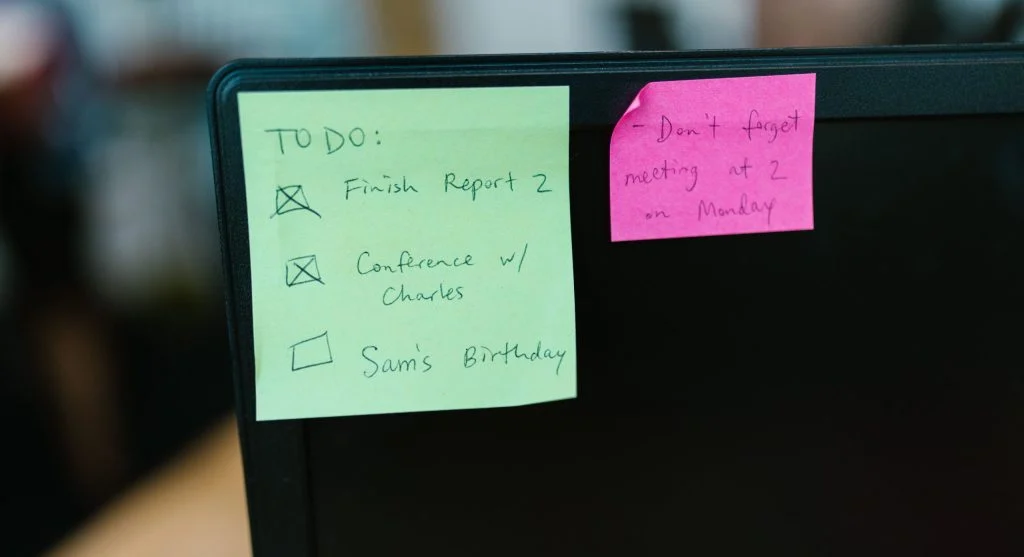
Digital planning specialists explain that these tools are useful because they can take a messy stream of thoughts and turn it into something more structured. A rough spoken list can become a cleaner checklist. A long note can become a smaller summary. A group of scattered ideas can become headings or categories.
Experts say this matters because many people are not struggling to have ideas. They are struggling to store and shape them before they disappear.
What Makes AI Summaries Feel So Valuable
One of the biggest strengths of these tools is not note capture itself, but note compression. A long class, crowded meeting, or rambling brainstorm may create far more material than someone wants to reread line by line. AI summaries feel useful because they reduce the first step of returning to that material later.
Information design researchers explain that summaries matter because they reduce re-entry time. Instead of reading pages of notes just to remember what happened, the user can begin with a short recap and then decide whether deeper review is needed. That saves energy in situations where the raw material is longer than the user can comfortably revisit in full.
Experts note that this is often where the biggest practical value appears. The tool is not only helping during capture. It is helping during return.
Why Action Items Have Become a Major Selling Point
Many people do not really want a perfect transcript of a meeting. They want to know what needs to happen next. That is why action-item extraction has become such an important part of modern note tools. A useful system can identify tasks, deadlines, assignments, and follow-ups more quickly than users may be able to sort them manually after a long conversation.
Workflow experts explain that this feature matters because meetings and planning sessions often fail not during the discussion, but afterward. People leave with different memories of what was decided. A tool that brings next steps to the surface clearly can reduce that confusion.
Experts say this is one reason AI notes are becoming part of daily productivity culture. They help users turn conversation into decisions faster.
Where These Tools Still Fall Short
Even strong note tools still have limits. They may misunderstand a speaker, simplify a point too much, or miss emotional tone and nuance. They can also make a summary sound more certain than the original conversation really was. A neat recap is not always a perfectly faithful one.
Communication researchers explain that users should be careful with anything important enough to have consequences. A meeting summary may need a human check. A class recap may still require deeper reading. A planning list may need confirmation that the task really means what the software assumed it means.
Experts recommend treating the tool as an assistant, not as the final authority on what happened.
Why Search Is Becoming as Important as Writing
Traditional notes often become difficult to use because they are stored but not searchable in a meaningful way. AI note systems are changing that by helping users search not only for exact words, but also for topics, themes, decisions, and context. Someone may not remember the exact phrase used in a meeting, but they may remember that it had something to do with deadlines, budget, or travel plans.
Product design analysts explain that better search changes the value of note archives over time. Notes stop being piles of stored text and start becoming working references. This is especially helpful for recurring meetings, longer projects, and personal planning systems that stretch across months.
Experts say this is one of the quieter but most important changes in digital note habits. Retrieval is becoming almost as important as capture.
Why AI Note Tools Are Likely to Stay
Researchers who study workplace and consumer technology explain that these tools are likely to remain popular because they respond to a real and growing problem: too much information moving too quickly across too many channels. Meetings, classes, voice memos, planning sessions, and hybrid work routines all create material that users want to keep without carrying the full note-taking burden manually every time.
As speech recognition, summarization, and digital organization improve, note tools will likely become more embedded in ordinary work and study systems. Users may not always think of them as “AI products” first. They may simply think of them as the normal way notes now work.
That is why understanding AI note-taking tools matters. They reflect a broader change in daily digital life: information is no longer only something people record. It is something systems increasingly help them reshape, search, and reuse.
Frequently Asked Questions
Q: What are AI note-taking tools?
A: They are digital tools that help capture, summarize, organize, or search notes using AI-supported features.
Q: Why are AI note-taking tools popular in meetings?
A: They help users follow the conversation while still preserving summaries, tasks, and key points for later review.
Q: Can students use AI note tools for classes?
A: Yes. Many use them to organize lectures and review content later, though learning still benefits from active personal study.
Q: Are AI note summaries always accurate?
A: Not always. They can be very useful, but important details still benefit from human review and confirmation.
Q: What makes these tools different from old note apps?
A: Older note apps mainly stored writing, while newer tools can summarize, sort, extract tasks, and improve note retrieval.