

More people are starting to ask what ambient computing means because technology is increasingly moving out of the spotlight and blending into ordinary routines. Instead of sitting down at one obvious computer and opening one obvious app, users now interact with screens, speakers, wearables, sensors, and connected services that respond quietly in the background. The technology feels less like a single machine and more like an environment that is always ready to help.
Technology researchers explain that this shift matters because users now expect information and digital support to appear with less effort than before. Human-computer interaction specialists also note that people often do not describe these experiences as “computing” at all. They describe them as lights adjusting automatically, reminders appearing at the right moment, navigation speaking up during travel, or devices recognizing what the user is likely trying to do next.
What Ambient Computing Means in Simple Terms
The simplest way to explain what ambient computing means is that computing becomes less tied to one visible device and more spread across the spaces and tools people use throughout the day. Instead of requiring constant direct attention, the technology stays available in the background and responds when needed through voice, sensors, automation, or quiet prompts.
Digital systems experts explain that the word “ambient” matters because it suggests something present in the environment rather than something users must actively operate every second. A person may ask a speaker for the weather, unlock a phone with a glance, receive a reminder on a watch, or have lights follow a preset routine without thinking of each action as a separate computing event.
Experts note that the goal is not always to make technology more powerful in visible ways. It is often to make technology feel more seamless, less interruptive, and more woven into ordinary life.

Why Ambient Computing Feels Different From Traditional Device Use
Traditional computing usually involved direct attention. A user opened a laptop, launched software, typed commands, and watched the screen closely. Ambient computing feels different because the interaction can be shorter, more natural, and spread across several devices. A person may not even think of one part of the experience as “using a computer” in the old sense.
Human-computer interaction researchers explain that this change matters because attention is one of the most valuable parts of digital life. The less time people spend opening menus, switching apps, and repeating small tasks, the more helpful the technology may feel. Ambient systems often aim to reduce those small frictions rather than to add more obvious features.
Experts say this is one reason connected devices feel more normal now. They often help by stepping back instead of stepping forward.
How Connected Everyday Devices Create an Ambient Experience
Many forms of ambient computing depend on connected everyday devices. Smart speakers, phones, watches, displays, earbuds, thermostats, cameras, and car systems can all become part of one larger experience when they share information and respond to the same user context. The device itself matters, but the real effect comes from how several tools work together.
Connected device specialists explain that this is why a single smart gadget does not always feel transformative on its own. Ambient computing becomes more noticeable when one device picks up where another leaves off. A reminder set on a speaker may appear later on a watch. Directions started on a phone may continue through a car display. A calendar alert may shape what a smart display shows next.
Experts note that the most important shift is continuity. The computing experience follows the user instead of staying inside one box on a desk.
Why Voice, Sensors, and Context Matter So Much
Ambient computing depends heavily on context because the system must decide when to stay quiet and when to become visible. Voice input, motion detection, location awareness, time of day, device presence, and routine patterns all help shape that decision. The goal is to make the response feel timely rather than random.
Context-aware computing researchers explain that a weather update in the morning, navigation prompt during travel, or reminder near a store all feel useful because the system connects timing with likely need. Without context, the same technology would feel much more clumsy and intrusive. Good ambient design is often about choosing the right moment, not only the right feature.
Experts say this is what makes ambient systems feel smarter than older automation. They often react not only to commands, but also to situation.
How Ambient Computing Shows Up in Daily Life Already
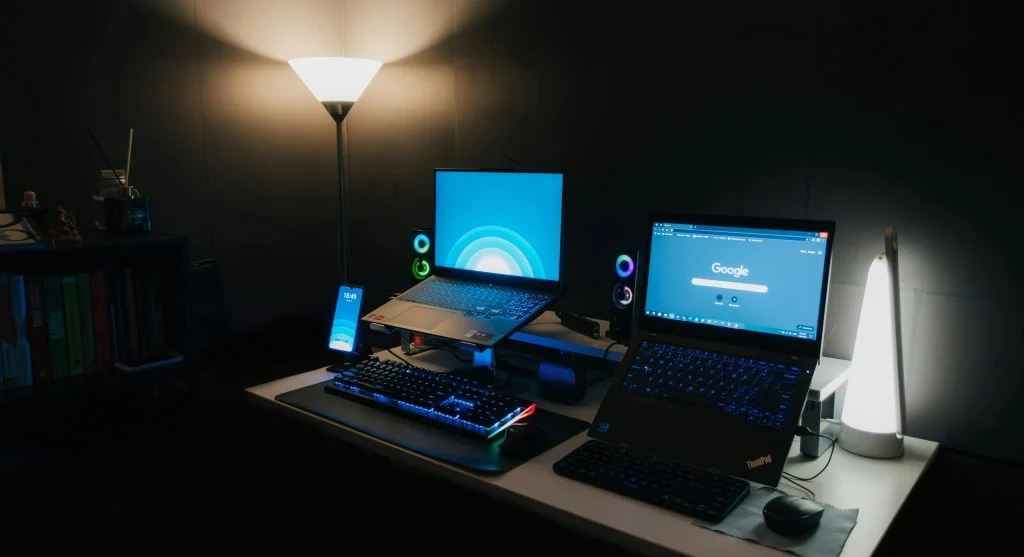
Many users already experience ambient computing without using the term. Smart lights may follow evening schedules. Earbuds may switch devices automatically. A watch may surface a reminder before an appointment. A phone may suggest leaving early because traffic is building. A display may show commute details before a workday begins.
Consumer technology analysts explain that these examples matter because they show how the concept is less futuristic than it sounds. The idea is already present in many homes, cars, and workplaces. What is changing now is that the systems are becoming more connected and more aware of context, which makes the experience feel more unified than before.
Experts note that ambient computing is often easiest to notice when it goes wrong. When it works well, it can feel almost invisible because it fits naturally into the background.
Why Ambient Computing Can Feel Convenient but Also Harder to Notice
One of the unusual things about ambient systems is that their success often makes them less visible. A user may not stop and think about how many small digital steps have been removed from the day. That can be convenient, but it can also make it harder to understand which devices are active, what data is being used, and how much the environment is actually doing in the background.
Privacy and design researchers explain that invisible technology creates a tradeoff. The less noticeable the system becomes, the easier it may be to use. At the same time, the less visible it is, the more important settings, permissions, and account control become. Users need clarity about what is listening, sensing, storing, and sharing even when the devices themselves feel quiet.
Experts recommend understanding ambient convenience and ambient responsibility together. The smoother the system feels, the more clearly users should still understand how it works.
What Limits Still Affect Ambient Computing
Even with growing interest, ambient computing still has limits. Devices can misunderstand context, trigger too often, fail to coordinate, or require stronger internet and account setup than users expected. A routine that works well in one room may feel unreliable in another. A smart prompt that seems helpful one day may feel distracting the next if the timing is slightly wrong.
Systems researchers explain that ambient computing is difficult because it asks technology to be present but not annoying, helpful but not intrusive, and automated but still understandable. Those are hard balances to maintain across many devices and many kinds of users.
Experts note that the strongest ambient systems are often the simplest ones. A few reliable connected behaviors usually feel better than a large number of unpredictable ones.
Why More Technology Is Moving in This Direction
Researchers who study consumer technology explain that more products are moving toward ambient computing because users increasingly want less friction, less screen dependence, and more continuity between their devices. As voice systems improve, sensors become more common, and accounts connect more services together, the environment itself becomes a more natural place for computing to happen.
This does not mean screens or phones will disappear. It means their role is changing. Instead of being the only place where computing happens, they are becoming part of a wider system that follows the user through different moments of the day.
That is why understanding what ambient computing means matters now. It helps explain why technology feels less like one tool in one place and more like a layer spread quietly through daily life.
Frequently Asked Questions
Q: What is ambient computing?
A: Ambient computing is a style of technology where digital support is spread across connected devices and environments instead of staying only inside one obvious computer or screen.
Q: What are examples of ambient computing?
A: Examples include smart speakers, watches, displays, lighting routines, connected reminders, automatic device switching, and context-aware alerts.
Q: Why does ambient computing feel different from older computing?
A: It often reduces the need for constant direct attention by responding through voice, automation, context, and connected devices in the background.
Q: Does ambient computing only happen in smart homes?
A: No. It also appears in cars, phones, wearables, offices, and other connected spaces where devices work together more seamlessly.
Q: Are there privacy concerns with ambient computing?
A: Yes. Because these systems often rely on sensors, context, accounts, and connected devices, users still need clear control over settings and access.
Key Takeaway
Understanding what ambient computing means helps explain why more technology now feels quieter, more connected, and less tied to one visible screen. Experts describe it as a shift toward devices and services that work together in the background through voice, context, and automation to reduce everyday friction. Its biggest impact may be that computing increasingly feels less like something people sit down to do and more like something surrounding them throughout the day.