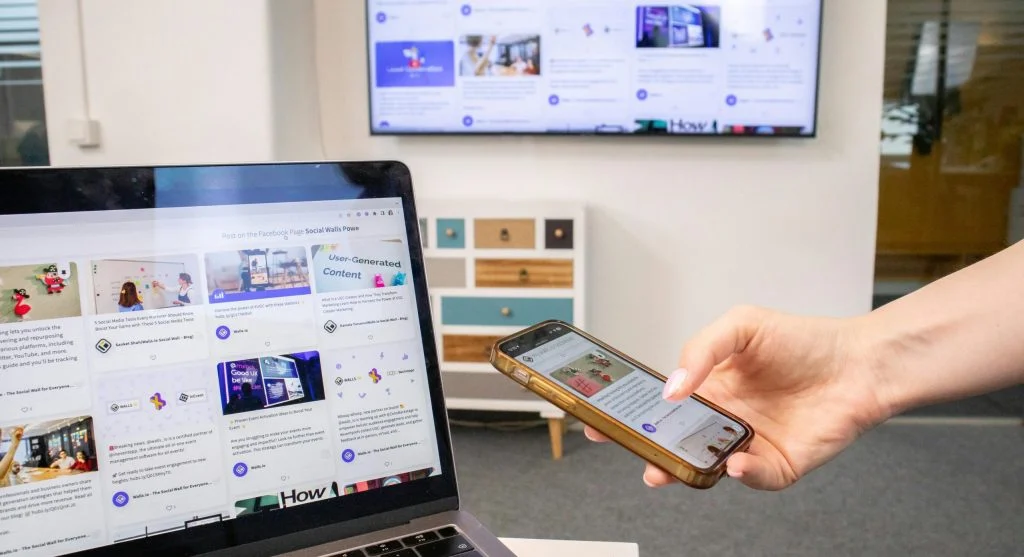

More people are starting to ask what ambient computing means because technology is becoming less obvious while still shaping daily routines more strongly. Instead of opening one device and doing one task at a time, users now interact with systems that respond across phones, speakers, watches, laptops, cars, and home devices in a more continuous way. The technology does not always ask for direct attention. In many cases, it stays in the background and appears only when needed.
Technology researchers explain that this shift matters because it changes how people experience digital tools. Rather than thinking about “using a computer” as one separate activity, users increasingly move through environments where computing is built into many objects and moments. Human-computer interaction specialists also note that this makes technology feel more woven into ordinary life, which is why the term is attracting more attention now.
What Ambient Computing Means in Simple Terms
The easiest way to explain what ambient computing means is that computing becomes part of the environment instead of staying limited to one clearly visible screen. The technology may still depend on screens, apps, and devices, but the overall experience feels more distributed. A person may speak to a smart speaker, continue the task on a phone, get a reminder on a watch, and see the result appear on a laptop without treating each step as a totally separate action.
Computing experts explain that the word “ambient” matters because it suggests something present in the surroundings rather than something demanding full attention at all times. Ambient computing tries to make digital help feel more natural, more context-aware, and more available across several connected points instead of one main machine.
Experts note that this does not mean computers disappear completely. It means the interaction becomes less centered on one visible device and more centered on the user’s situation.

How Ambient Computing Works Through Connected Devices
One reason people notice this change is that many tasks now move across multiple devices without starting over from scratch. A reminder created through voice may appear later on a phone. A route searched on a laptop may continue on a car display. A message started on a phone may be finished on a watch or computer. These linked moments make the system feel continuous rather than isolated.
Connected device analysts explain that ambient computing depends on accounts, networks, sensors, and software working together behind the scenes. Devices often share context through the same ecosystem, which allows actions, preferences, and information to follow the user more easily. The user experiences this as convenience, but the real system underneath can be quite complex.
Experts say the key idea is coordination. The devices are not only connected. They are increasingly designed to support the same activity as a group.
Why Invisible Technology Feels More Common Now
Many people first notice ambient computing because technology feels less visible than before. Notifications arrive quietly on the right device. Music moves between rooms. Voice assistants answer without opening an app. Smart lights respond to routines. Watches show short useful information without requiring a phone to be unlocked every time.
Digital behavior researchers explain that this creates the feeling of invisible technology. The technology is still there, but it asks for less deliberate setup in each moment. Instead of going to the technology every time, the technology comes closer to where the user already is and what the user is already doing.
Experts note that invisible does not mean unimportant. In fact, it often means the opposite. The more seamless the system becomes, the more influence it can have over ordinary routines.
How Ambient Computing Changes Everyday Tasks
Ambient systems often affect small daily actions more than dramatic ones. Checking the weather, starting music, managing a shopping list, controlling lights, continuing a note, finding a route, or answering a quick message may all happen with less friction when devices work together smoothly. These are not always impressive headline moments, but they can change habits over time.
Usability specialists explain that the strongest value of ambient computing often comes from reducing repeated effort. A user may stop thinking about which device is “for” a task and instead expect the nearest or most appropriate device to help. That shift changes the relationship between the person and the system.
Experts say this is one reason the idea keeps growing. It does not depend only on novelty. It depends on repeated small conveniences that add up across the day.
Why Context Matters So Much in Ambient Computing
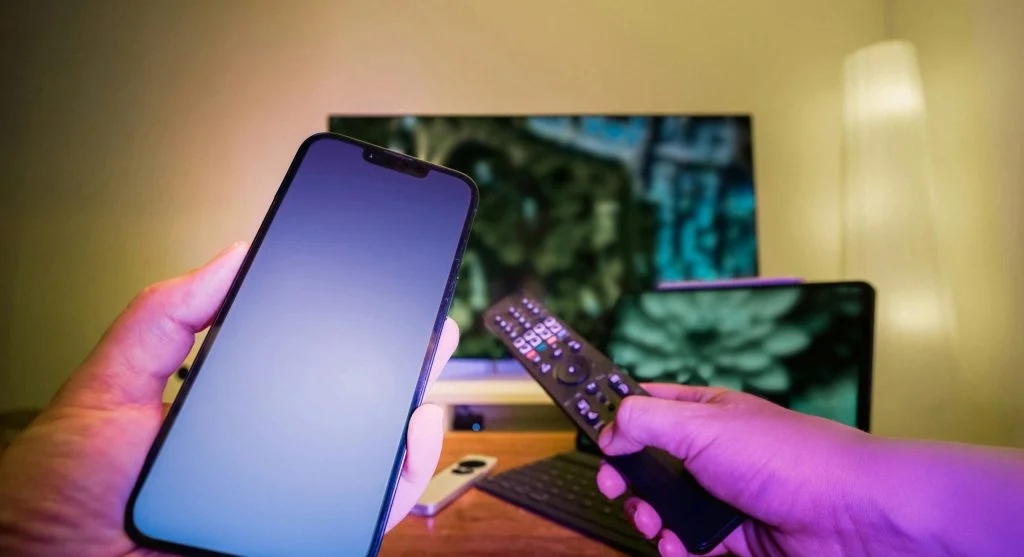
A major part of ambient computing explained well is context. The system often works by noticing time, device type, location, past behavior, or nearby hardware to decide what information or action is most useful. A short weather update in the morning, a navigation suggestion before leaving, or a reminder shown on the nearest device all depend on some level of context awareness.
Human-centered design researchers explain that context makes the system feel smarter because it reduces the need for users to repeat the same instructions. The technology begins to anticipate where and how information should appear. That can make daily use feel smoother, but it also means the system relies more heavily on shared signals from the environment and the user’s habits.
Experts note that context is both the strength and the challenge of ambient systems. It makes help feel timely, but it also increases the importance of accurate settings and careful data handling.
What Devices Usually Create an Ambient Computing Experience
Ambient computing is not one single product category. It often emerges from a group of devices working together. Phones, smart speakers, wearables, laptops, tablets, TVs, smart home controls, cars, and sensors can all play a role. What matters most is not the device itself, but how naturally it fits into a larger connected flow.
Consumer technology researchers explain that a phone is still central in many ecosystems because it acts as a personal control point. At the same time, the broader experience spreads outward to other tools. A watch may handle quick alerts, a speaker may handle voice interaction, and a smart display may show shared household information.
Experts say this is why ambient computing feels different from older personal computing. The focus shifts from one main screen to a coordinated set of touchpoints around the user.
Why Privacy Questions Grow as Technology Fades Into the Background
As computing becomes more ambient, privacy questions usually become more important. A system that responds across devices may rely on location, voice input, routines, device connections, and account data to work smoothly. The more invisible the technology feels, the easier it can be to forget how much information helps support that convenience.
Privacy specialists explain that this does not automatically make ambient systems unsafe, but it does mean users benefit from understanding which devices are listening, what accounts are connected, and which settings control history, permissions, and data sharing. A system that fades into the background should still remain visible enough in its controls that users know how it works.
Experts recommend thinking about convenience and privacy together instead of treating them as separate issues. Ambient computing works best when the user still feels in control of the environment around it.
Why More Devices Will Likely Move in This Direction
Researchers who study emerging computing trends explain that ambient computing is likely to grow because it matches how people already live with technology. Users move between rooms, devices, and tasks quickly, and they often want digital help to follow that flow without repeated setup. Faster chips, better sensors, stronger device ecosystems, and more AI support all make that kind of experience easier to build.
As this continues, people may expect technology to feel less like a tool they must open and more like a service layer that stays nearby and ready. That expectation is already visible in smart home systems, wearables, assistant tools, and device ecosystems that carry tasks forward from one screen to another.
That is why understanding what ambient computing means matters now. It helps explain a larger change in personal technology: computing is becoming less tied to one place and more blended into the spaces, routines, and moments of ordinary life.
Frequently Asked Questions
Q: What is ambient computing?
A: Ambient computing is a way of using technology where connected devices and software work across the environment instead of depending on one single screen or machine.
Q: What devices are part of ambient computing?
A: Phones, smart speakers, watches, laptops, cars, smart home devices, and other connected tools can all be part of an ambient system.
Q: Why does ambient computing feel different from normal computer use?
A: It feels different because tasks can move across several devices more naturally, often with less repeated setup or direct attention.
Q: Does ambient computing always involve AI?
A: Not always, but AI often helps by making systems more responsive, contextual, and able to support natural interactions.
Q: Does ambient computing raise privacy concerns?
A: Yes. Because it may rely on context, connected devices, and user behavior signals, privacy settings and data control still matter a great deal.
Key Takeaway
Understanding what ambient computing means helps explain why more technology now feels quieter, more connected, and less tied to one obvious screen. Experts describe it as a shift toward systems that support users across several devices and moments instead of waiting for one direct command in one place. As invisible technology becomes more common, the most important question may be not whether computing is present, but how naturally and responsibly it fits into daily life.