
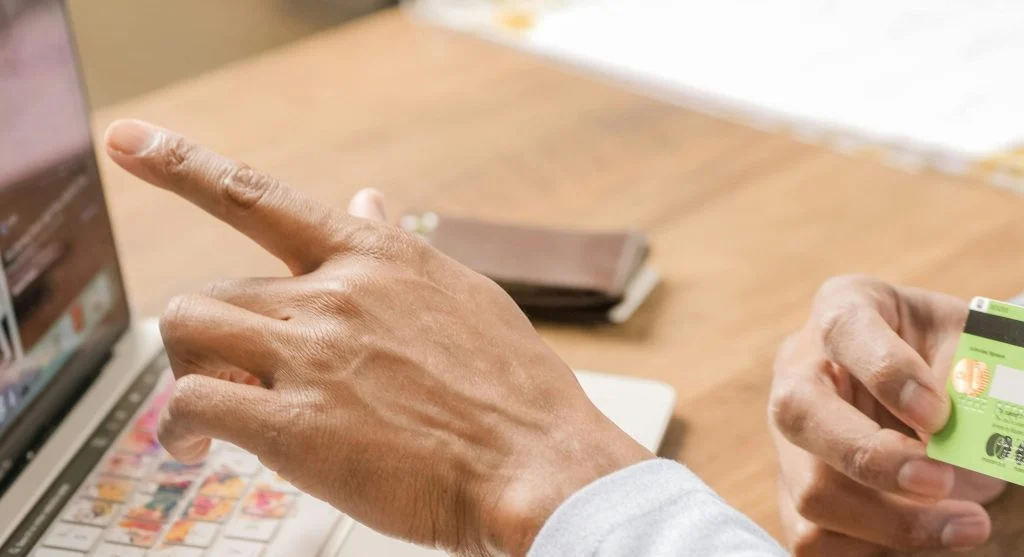
Many shoppers need help spotting fake online stores because scam websites often look polished enough to seem trustworthy at first glance. A store may show large discounts, familiar product photos, countdown sales, and professional-looking checkout pages, even when the goal is only to collect payment details or personal information. The risk is highest when users feel rushed by a deal that looks too good to miss.
Consumer fraud specialists explain that shopping scams work by mixing normal store features with just enough pressure to stop careful review. Cybersecurity researchers also note that scam stores are often designed to imitate ordinary online shopping so well that users focus on the product and price first instead of the warning signs around them. A slower review usually reveals clues that matter before any money is sent.
Why Fake Online Stores Fool So Many Shoppers
Fake online stores often succeed because they imitate the parts of online shopping that feel familiar. They may use modern layouts, clean product grids, fake customer reviews, and copied images from real brands or marketplaces. To a busy shopper, the page may feel similar enough to a legitimate store that deeper checks never happen.
Fraud prevention experts explain that many scam stores do not need to look perfect. They only need to look believable long enough for the user to place an order. A person who is focused on a rare product, a holiday gift, or a major discount may overlook small inconsistencies that would otherwise feel obvious.
Experts recommend remembering that visual quality does not prove honesty. A strong-looking storefront can still hide a very weak or fraudulent business behind it.

How to Check the Website Address Before Trusting a Store
One of the first ways to recognize fake online stores is to check the website address closely. Scam stores often use domains that look similar to real brands but include extra words, misspellings, unusual endings, or random letters that do not match the company name properly.
Cybersecurity professionals explain that shoppers often focus on logos, product photos, and prices before reading the full address bar carefully. That creates an opening for scam sites using lookalike names. A store may appear to sell branded products while the domain itself has no clear relationship to the supposed seller.
Experts recommend reading the web address slowly before browsing too far, especially if the store appeared through a social media ad, text message, or search result that was not already familiar.
Why Extreme Discounts Are One of the Biggest Shopping Scam Warning Signs
Large discounts are common online, but unrealistic pricing remains one of the clearest shopping scam warning signs. A product that is hard to find everywhere else should not suddenly appear in large supply at a fraction of the normal price without raising questions.
Consumer protection specialists explain that scam stores often depend on urgency tied to price. A user may worry that the item will sell out quickly and skip the review steps they would normally take. The message behind the page is simple: act now, think later. That is exactly the pattern scam sellers want.
Experts recommend comparing the listed price with known sellers before entering payment details. A dramatic difference does not automatically prove fraud, but it always deserves closer review.
How Contact Information and Store Policies Reveal Credibility
A legitimate online store usually provides clear ways to understand who runs it. Contact pages, shipping policies, return terms, business details, and customer support information help show whether the store expects to deal with real customer issues after a sale. Scam stores often provide weak, copied, or missing information in these areas.
Fraud researchers explain that vague contact forms, generic email addresses, missing return instructions, or poorly written policy pages often suggest the site is not built for a real long-term business relationship. Some scam stores include policy pages only because they copied them from somewhere else, which is why the details may not even match the store name or products being sold.
Experts recommend checking whether the contact and policy pages feel specific, readable, and consistent with the rest of the site before trusting the checkout process.
Why Product Photos and Descriptions Deserve a Closer Look
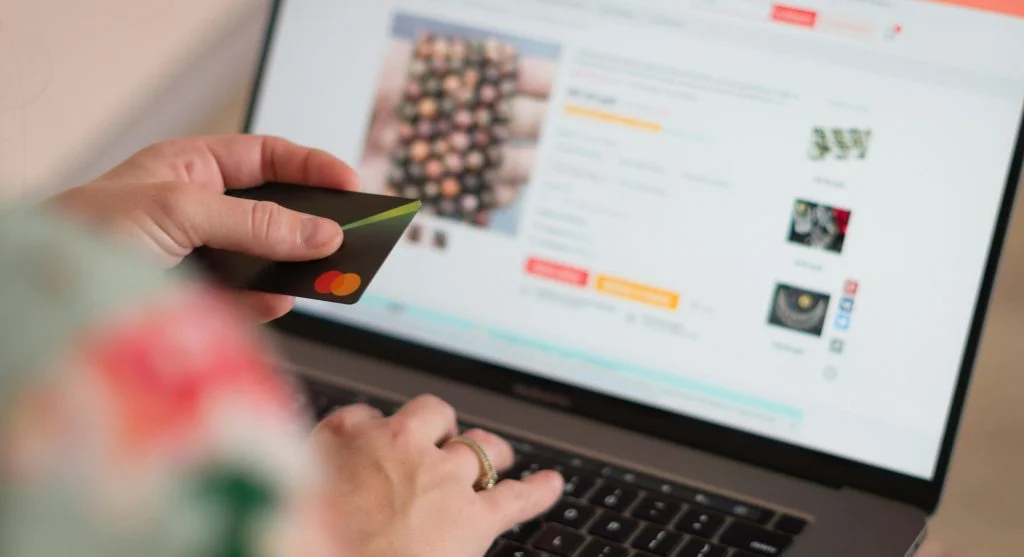
Scam stores often use product images copied from real retailers, manufacturers, or marketplace sellers. The pictures may look high quality even when the actual store has no relationship to the product at all. Descriptions may also be copied, inconsistent, or strangely written because they were taken from several sources.
Online retail analysts explain that product pages become more suspicious when descriptions feel generic, sizes and details do not match, or multiple items seem to use the same wording regardless of category. A clothing site, for example, may show product text that sounds like electronics copy, or a home goods page may contain obvious formatting mistakes.
Experts recommend reading at least part of the description instead of relying on the main product image alone. The words often reveal quality issues the pictures hide.
How Payment Options Can Reveal a Risky Store
Payment methods often say a lot about how safe a store may be. Scam stores may push shoppers toward unusual payment methods, direct transfers, or options that are harder to reverse later. The goal is often to collect money in a way that gives the buyer less protection if the product never arrives.
Consumer safety specialists explain that checkout pressure is especially important when the store tries to move users quickly away from standard payment habits. Even if the page looks modern, the payment request may reveal that the business is not operating like a normal retailer.
Experts recommend paying attention to whether the checkout feels ordinary and transparent. A store asking for payment in unusual ways deserves extra caution before any order continues.
Why Social Media Ads and Marketplace Links Need Extra Caution
Many shoppers now find stores through social feeds, short videos, or ads placed between ordinary content. That path can be convenient, but it also creates extra risk because the shopper may arrive at the store with less context than they would have through a familiar retailer. A strong-looking ad can make the store feel more established than it really is.
Digital commerce researchers explain that ad-based discovery encourages fast, emotional shopping. The product appears in the middle of scrolling, the discount looks limited, and the store gets judged in seconds rather than through careful review. This makes social discovery a common entry point for shopping scams.
Experts recommend treating ad-found stores as unfamiliar until proven otherwise. A product appearing in a polished ad does not confirm the seller behind it is legitimate.
How to Protect Payment Details Online Before Checking Out
The best way to protect payment details online is to pause before checkout and confirm that the store feels credible from several angles at once. Check the site address, compare prices, review contact details, read policies, and consider how the store was discovered in the first place. A real store should hold up under these basic checks.
Cybersecurity educators also recommend keeping browsers updated and avoiding rushed purchases through surprise links. If the site still feels uncertain after review, the safest choice is to leave without buying. A missed deal is usually easier to recover from than stolen payment details or a false order.
Experts say safe online shopping is often less about advanced technical skill and more about slowing down long enough to question a store before trust becomes automatic.
Frequently Asked Questions
Q: What are fake online stores?
A: Fake online stores are scam websites that pretend to sell products but may only aim to steal money, payment details, or personal information.
Q: What is the biggest warning sign of a scam store?
A: Extreme discounts, unclear contact information, unusual payment requests, and a suspicious web address are among the strongest warning signs.
Q: Can a fake online store look professional?
A: Yes. Scam sites often use polished layouts, copied reviews, and stolen product photos to look more believable.
Q: Should users trust stores they find through social media ads?
A: Experts recommend extra caution because polished ads can lead to unfamiliar sellers that have not been reviewed carefully yet.
Q: What should users do if a store still feels suspicious?
A: The safest choice is usually to leave the site and avoid entering payment details or personal information.
Key Takeaway
Learning how to spot fake online stores can help shoppers protect payment details and avoid scam purchases before a checkout page turns into a larger problem. Experts recommend checking the site address, comparing prices, reading policy pages, and watching for rushed payment pressure or weak contact information. Safer online shopping usually begins with one simple habit: slowing down before trusting a store that appeared too quickly and looks too perfect.