Many households want to understand what smart plugs do before adding one to a connected home setup. A smart plug is a small device that fits into a wall outlet and lets users control whatever is plugged into it through an app, schedule, or voice assistant. The idea is simple, but the effect can be useful because it turns ordinary lamps, fans, and similar devices into tools that are easier to manage.
Home technology specialists explain that smart plugs have become popular because they offer one of the simplest starting points for connected home routines. Device support researchers also note that users often prefer them because they do not require replacing every appliance with a fully smart version. Instead, a plug can add more flexible control to devices a household already owns.
What Smart Plugs Do in Simple Everyday Terms
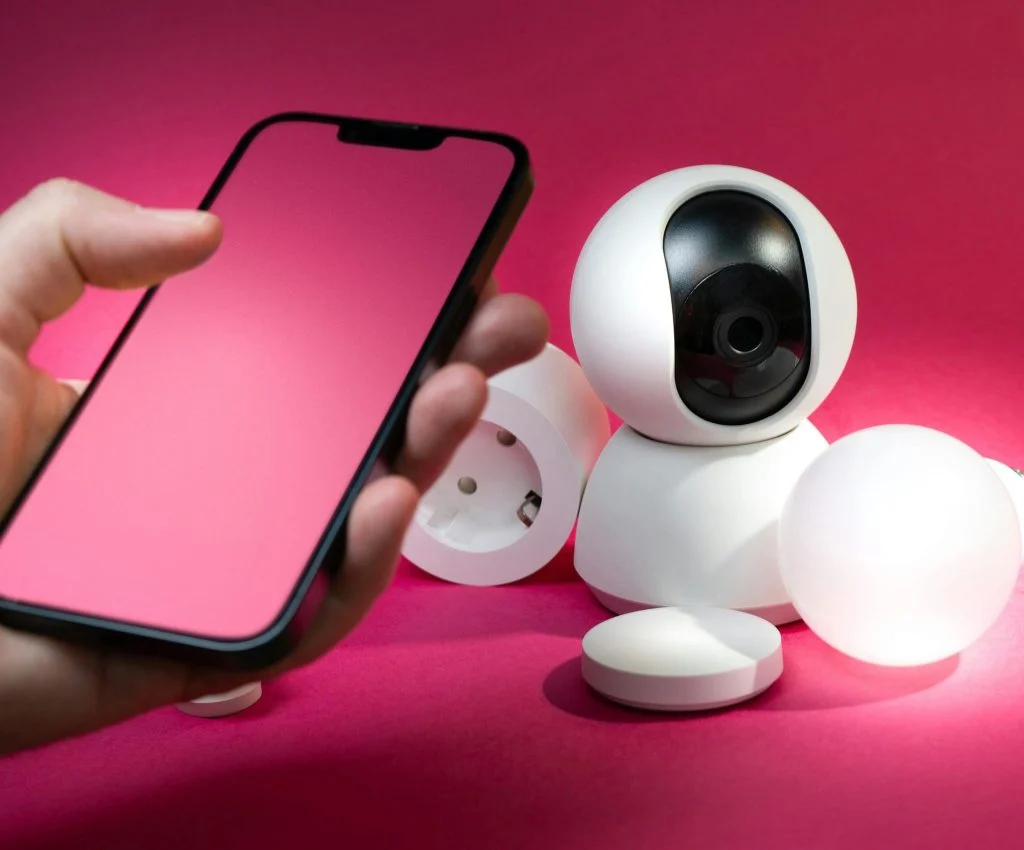
The easiest way to explain what smart plugs do is that they act like a controllable switch between the wall outlet and the device plugged into it. If a lamp, fan, coffee maker, or decorative light is connected through the smart plug, the user can often turn it on or off from a phone or a voice command instead of using the device directly.
Connected home experts explain that the smart plug does not make every appliance fully intelligent on its own. It mainly adds power control. That means the plugged-in device still needs to be something that starts working when power is available. A simple lamp works well because power on means light on. A more complicated appliance may not respond the same way.
Experts note that this is why smart plug basics are usually easiest to understand with lamps, fans, holiday lights, and other straightforward electrical devices. The simpler the appliance behavior, the more useful the smart plug tends to feel.
Credit: Jakub Zerdzicki / Pexels
How Smart Plugs Work With Apps and Schedules
One of the clearest answers to what smart plugs do involves app-based control. Many smart plugs connect to a home network and allow the user to turn power on or off through a companion app. This makes it easier to manage a device from another room or while away from the outlet itself.
Home automation professionals explain that schedules are another major part of smart plug basics. A user may set a lamp to turn on in the evening, switch off decorative lights at bedtime, or run a fan only during certain hours. Scheduling adds consistency because the device no longer depends on remembering the switch manually each time.
Experts recommend starting with one simple scheduled task instead of many at once. A small success often teaches more than a complicated setup that is harder to follow.
Why Smart Plugs Appeal to Connected Home Beginners
Smart plugs often appeal to beginners because they offer visible results without major installation work. A light or small appliance can become part of a connected home routine without changing wiring or replacing the device itself. That makes the setup feel less intimidating than larger smart home upgrades.
Consumer technology analysts explain that this simplicity is one of the main reasons smart plugs remain a popular first step. Users can test connected home habits on one ordinary device before deciding whether broader automation feels useful. The learning curve stays smaller because the core action is easy to understand: power on, power off, and timing control.
Experts say this also helps households decide what kind of automation they actually value. A smart plug that saves one repeated step each day often teaches more than a bigger system added without a clear purpose.
How Smart Plugs Support Small Daily Routines
Many households use smart plugs for tasks that seem small on their own but happen often enough to matter. A lamp in a dark room can switch on before someone arrives home. A desk fan can turn off automatically at night. Decorative lights can follow a simple evening schedule instead of being managed by hand every day.
Routine design specialists explain that these small actions work well because they match real repeated behavior. Smart plugs are strongest when they remove a short task that happens again and again. The value comes less from technical complexity and more from consistent convenience.
Experts recommend choosing a routine that already exists rather than creating one only for the sake of automation. Smart outlet control usually feels most useful when it supports habits the household already has.
Credit: Jakub Zerdzicki / Pexels
What Types of Devices Usually Work Best With Smart Plugs
Not every household device is equally suited to a smart plug. The best candidates are usually simple electronics that begin operating as soon as they receive power. Lamps, fans, seasonal lights, aroma devices, and some small household tools often fit this pattern well.
Device support teams explain that more complex appliances may not respond as clearly because some require a manual button press after power returns. In those cases, the smart plug may supply power correctly but the appliance still may not restart the way the user expects. This is why understanding the device’s normal behavior matters before assuming automation will work smoothly.
Experts recommend testing the appliance manually first. If unplugging it and plugging it back in restores the desired action, the device is often a stronger candidate for smart plug use.
Why Voice Control Changes How Smart Plugs Feel in Daily Use
Some smart plugs can also work with voice assistants, which makes control feel even more immediate. A user may ask for a lamp to turn on, a fan to switch off, or a routine to begin without opening the phone at all. This makes the plug feel less like a technical setting and more like part of the room itself.
Voice technology specialists explain that voice control can be especially useful during hands-busy moments, such as cooking, reading in bed, or carrying items into a room. The combination of smart outlet control and spoken commands often makes a very basic device feel more flexible than it did before.
Experts note that voice control is helpful, but it is not required for value. Many households still benefit from app control and schedules alone.
What Smart Plugs Do Not Automatically Solve
Even though smart plugs are useful, they do not solve every home control problem. They mainly manage power, which means they are not a full replacement for every kind of smart appliance. A smart plug cannot add advanced modes, detailed appliance settings, or deeper features that the original device never had.
Home technology researchers explain that expectations matter here. A plug can make an ordinary lamp easier to control, but it does not turn a basic appliance into a fully programmable machine. This is why smart plugs work best when the household goal is simple control rather than deeper device intelligence.
Experts recommend focusing on practical value instead of expecting every plugged-in item to become much more complex. The simplest uses are usually the most reliable.
Why Setup, Wi-Fi, and Account Security Still Matter
Because smart plugs connect to apps and home networks, they still depend on stable setup and account protection. Weak Wi-Fi in one room may lead to delayed commands or unreliable schedules. A connected account with weak password protection may also create unnecessary risk across the wider smart home system.
Cybersecurity professionals recommend strong passwords, updated apps, and careful review of which household members or devices still have access to the connected home account. Network specialists also suggest placing the plug where the Wi-Fi signal is dependable, especially if it controls something the household uses daily.
Experts say smart plugs are easy to use, but they still work best when the network and account behind them are managed with care. That is an important part of understanding what smart plugs do in real daily use.
Frequently Asked Questions
Q: What do smart plugs do?
A: Smart plugs let users control power to plugged-in devices through an app, schedule, or voice assistant.
Q: What kinds of devices work best with smart plugs?
A: Lamps, fans, decorative lights, and other simple devices that turn on automatically when power is available often work best.
Q: Do smart plugs make every device fully smart?
A: No. They mainly add power control, not all the deeper features of a fully smart appliance.
Q: Can smart plugs run on schedules?
A: Yes. Many allow users to set times for devices to turn on or off automatically.
Q: Do smart plugs need Wi-Fi?
A: Many do rely on Wi-Fi and a connected app for remote control, scheduling, and voice assistant support.
Key Takeaway
Understanding what smart plugs do helps explain why they remain one of the easiest ways to start building connected home routines. Experts describe them as simple tools for app control, scheduling, and small daily automation, especially for lamps and other basic electrical devices. Their value is strongest when the household uses them for clear, repeated tasks instead of expecting them to transform every appliance into something more complicated.