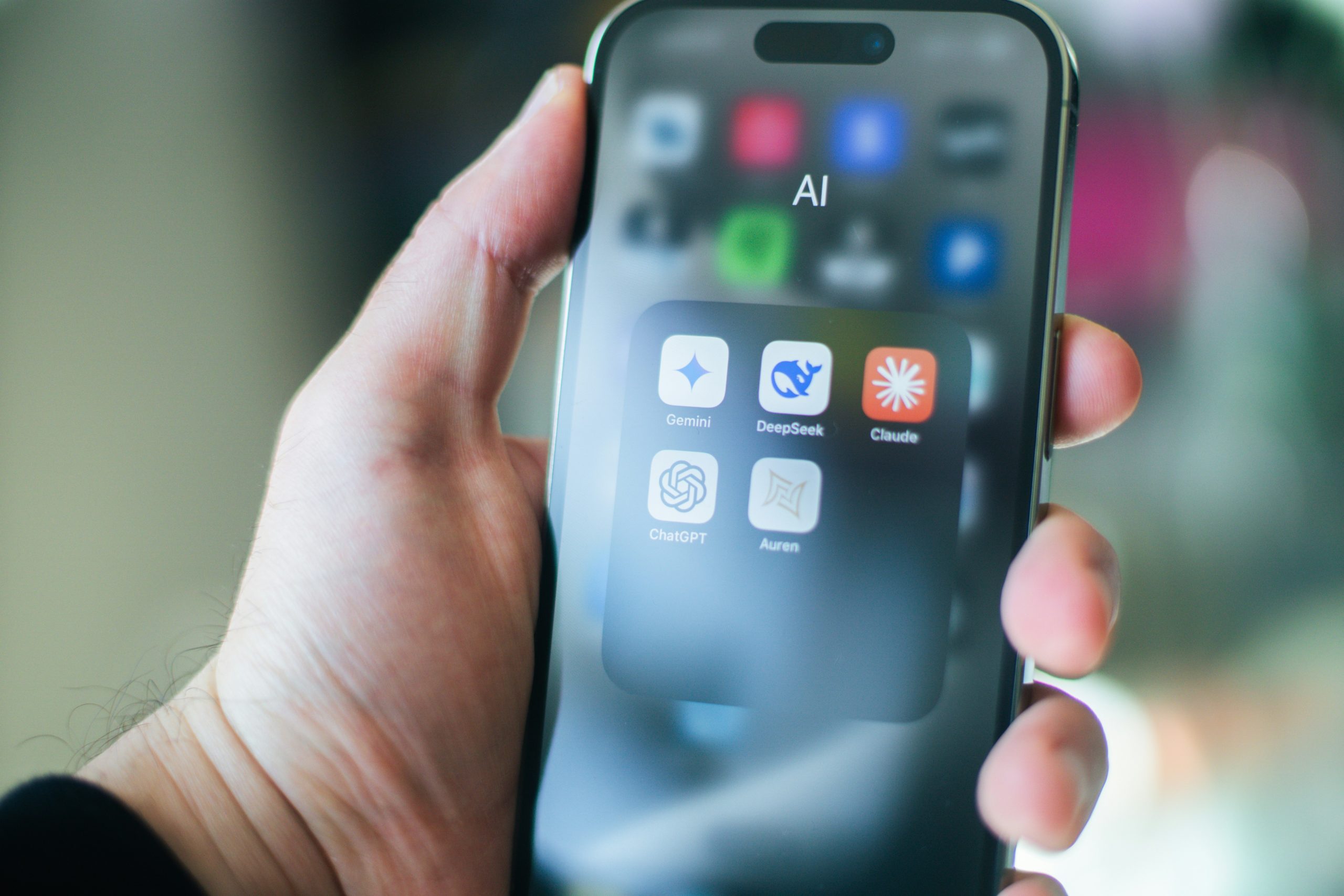
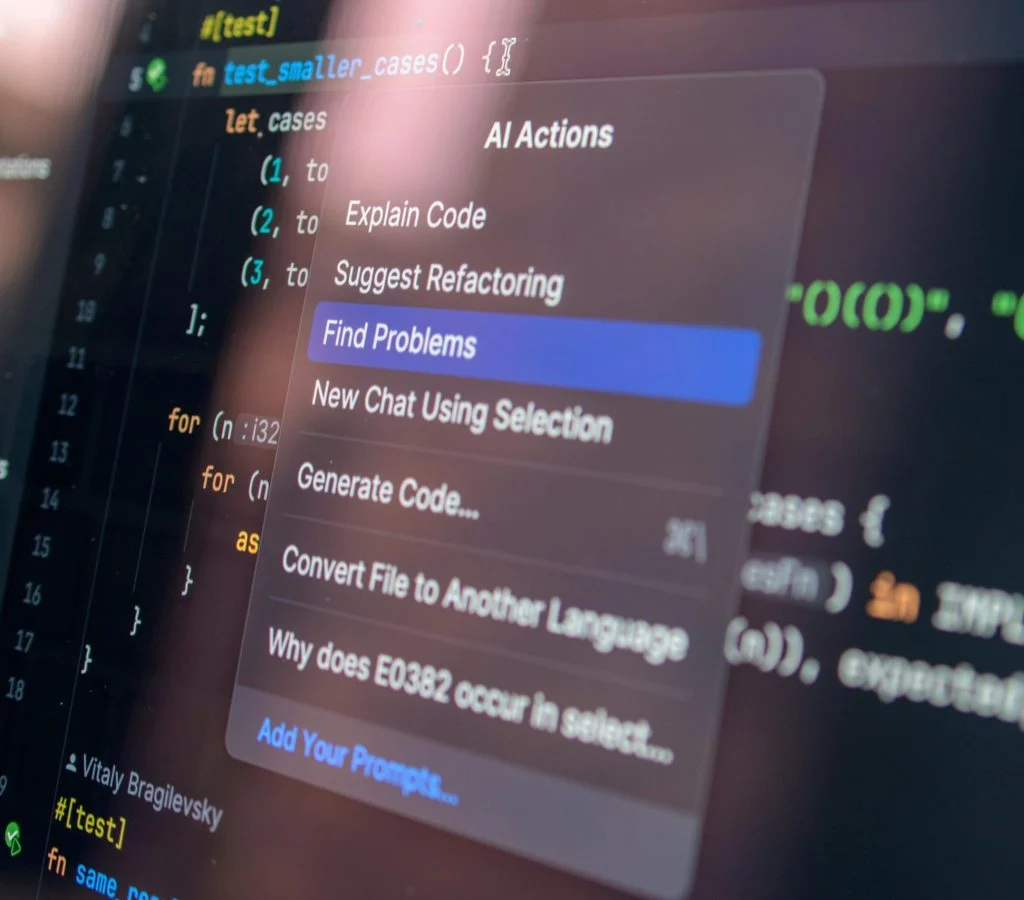
More people are starting to ask what multimodal AI means because digital tools are no longer limited to just one type of input. A system may now read text, analyze an image, respond to voice, and generate written output inside the same experience. This is becoming more common across search tools, photo apps, voice assistants, accessibility features, and productivity software.
Technology researchers explain that multimodal systems matter because real life is not made of text alone. People speak, type, look at images, watch video, and interact with objects in ways that combine several forms of information at once. AI specialists also note that tools become more flexible when they can connect these signals instead of treating each one as a separate task.
What Multimodal AI Means in Simple Terms
The easiest way to explain what multimodal AI means is that one AI system can work with more than one kind of information. Instead of handling only text or only images, a multimodal system may understand several formats together. These formats often include written language, spoken audio, photos, video, and sometimes sensor-based data.
Computer science educators explain that the word “multimodal” refers to multiple modes of input and output. A user might upload a picture, ask a spoken question about it, and receive a written answer. Another tool might listen to speech, create captions, and then organize the result into text summaries. The core idea is that the system is combining different kinds of information in one workflow.
Experts note that this makes digital interaction feel more natural because people do not think only in one format. A system that can connect image, voice, and text often fits everyday tasks more closely.
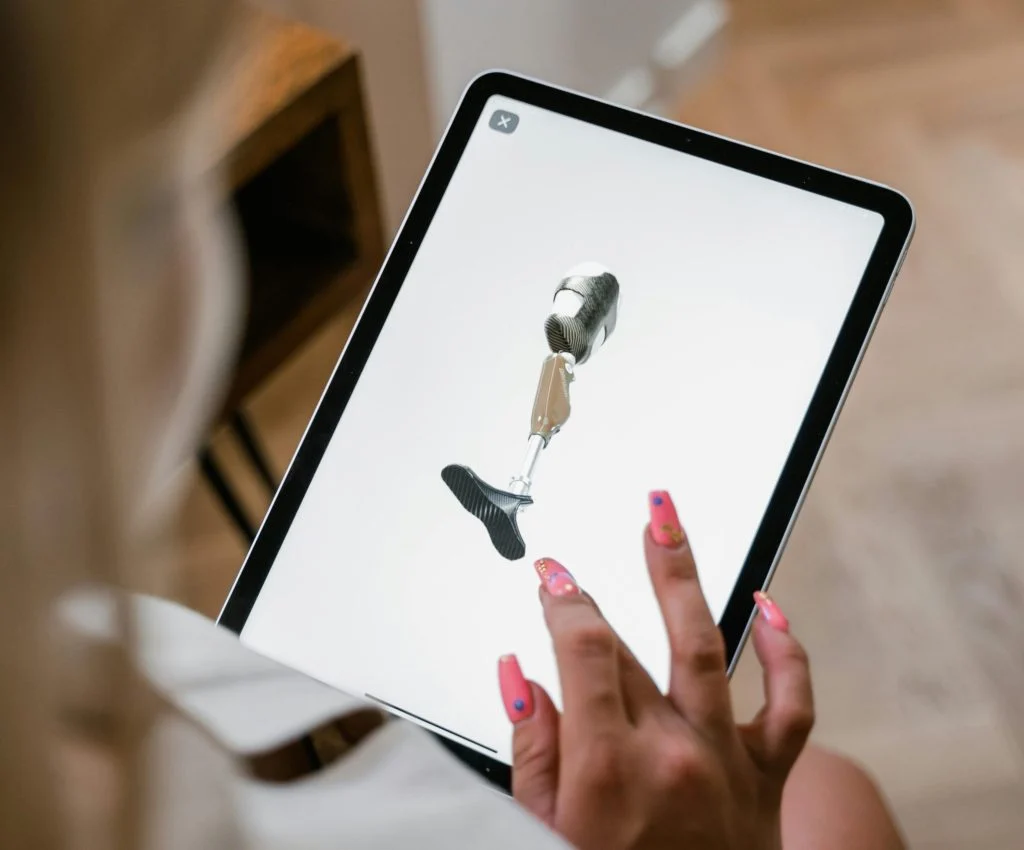
Credit: MART PRODUCTION / Pexels
How Multimodal AI Explained Through Everyday Examples Becomes Easier to Understand
Multimodal AI explained in practical terms often becomes clearer through simple examples. A phone camera may read text from a sign and translate it aloud. A video platform may generate captions from speech and then summarize the main points of the clip. A search tool may answer a question about a photo a user uploads instead of relying only on typed words.
AI product analysts explain that these examples matter because they show how formats can work together. The user is not forced to translate everything into text first. The tool can take information in the form it already exists and respond in a way that fits the situation.
Experts say this shift reduces friction. The more a tool can work with natural forms of information, the less effort users spend converting one format into another just to get help.
Why AI Across Text Image Audio Is Becoming More Useful
One reason what multimodal AI means matters now is that AI across text image audio matches how modern devices are already used. Phones capture photos, record voice, display text, and stream video every day. Bringing those forms together inside one system makes the technology more adaptable to normal habits.
Human-computer interaction specialists explain that a text-only system may be useful for writing, but it becomes less helpful when a user wants to understand a screenshot, compare visual details, or ask a spoken question while moving. Multimodal tools can handle more of those everyday situations because they are not limited to one communication style.
Experts note that usefulness grows when a tool can switch smoothly between reading, listening, and looking. That flexibility is one of the biggest reasons multimodal systems are gaining attention.
How Multimodal Systems Process Different Inputs Together
A multimodal system usually works by turning several types of input into patterns the model can compare and connect. A photo may be analyzed for objects, layout, color, or text. Speech may be converted into words. Written prompts may be interpreted for intent. The system then combines these signals to decide what response is most likely helpful.
Machine learning researchers explain that the challenge is not only recognizing each format separately. The bigger challenge is linking them properly. If a user uploads a picture of a receipt and asks a question about the total cost, the system must connect the visual details in the image with the meaning of the spoken or typed question. This is where multimodal design becomes more complex than single-format AI.
Experts say good performance depends on how well the system connects these forms of information without confusing them or missing context.
Credit: Google DeepMind / Pexels
Why Multimodal AI Can Improve Accessibility and Convenience
One of the strongest benefits of multimodal tools is that they can support different needs at the same time. A user might prefer speaking instead of typing. Another may need text from speech. Someone else may need image-based information described in words. A tool that works across several formats can often support more people without forcing everyone into the same method.
Accessibility researchers explain that this can improve both convenience and inclusion. Voice-to-text tools, image descriptions, live captions, translation overlays, and question answering from visual content are all examples where multimodal design can help users interact more easily with digital information.
Experts note that accessibility is not a side benefit here. In many cases, it is one of the clearest reasons these systems matter in everyday life.
What Limits Still Affect Multimodal AI Tools
Even with growing interest, multimodal tools still face clear limits. A system may understand text well but struggle with a blurry image. It may interpret a photo accurately but miss the meaning of a spoken question with background noise. When several inputs are mixed together, the risk of misunderstanding can also increase.
AI researchers explain that complexity rises with each added mode. More input types create more chances for error, especially if the content is unclear, incomplete, or context-heavy. A user may think the question is obvious because they can see the image and hear the tone, while the system may still miss part of the connection.
Experts recommend viewing multimodal systems as helpful tools rather than perfect interpreters of everything at once. They are often impressive, but they still depend on the quality of the inputs they receive.
Why More Emerging AI Tools Are Becoming Multimodal
Developers are moving in this direction because users increasingly expect technology to understand richer forms of input. Typing every request feels limiting when a device already has a camera, microphone, speaker, and screen. As those features become more tightly connected, emerging AI tools naturally begin using more than one mode together.
Consumer technology researchers explain that multimodal systems are likely to spread across search, productivity, accessibility, creative work, and smart devices because they reflect how people actually interact with information. A user may want to ask about a chart, summarize a meeting recording, translate a sign, or describe a problem by showing a photo instead of writing a long explanation.
Experts say this is why understanding what multimodal AI means is useful now. It helps explain a major shift in how digital tools are being built and why newer AI products feel more flexible than earlier ones.
Frequently Asked Questions
Q: What is multimodal AI?
A: Multimodal AI is a system that can work with more than one kind of information, such as text, images, audio, or video, in the same experience.
Q: What are examples of multimodal AI?
A: Examples include image-based question answering, live captioning with summaries, photo translation tools, and assistants that handle voice plus visual input.
Q: Why is multimodal AI useful?
A: It is useful because people naturally work with several forms of information, and multimodal systems can respond in ways that feel more flexible and convenient.
Q: Does multimodal AI only matter for advanced users?
A: No. Many everyday apps already use multimodal features for translation, captions, photo search, voice input, and accessibility support.
Q: Can multimodal AI still make mistakes?
A: Yes. Blurry images, unclear audio, missing context, or complex mixed inputs can still lead to misunderstandings.
Key Takeaway
Understanding what multimodal AI means helps explain why newer digital tools can listen, read, look, and respond across several formats at once. Experts describe multimodal AI as a major step toward more natural interaction because it connects text, image, and audio in ways that fit real daily tasks more closely. As more emerging AI tools adopt this model, users are likely to expect technology that works with information in the form it already exists.