
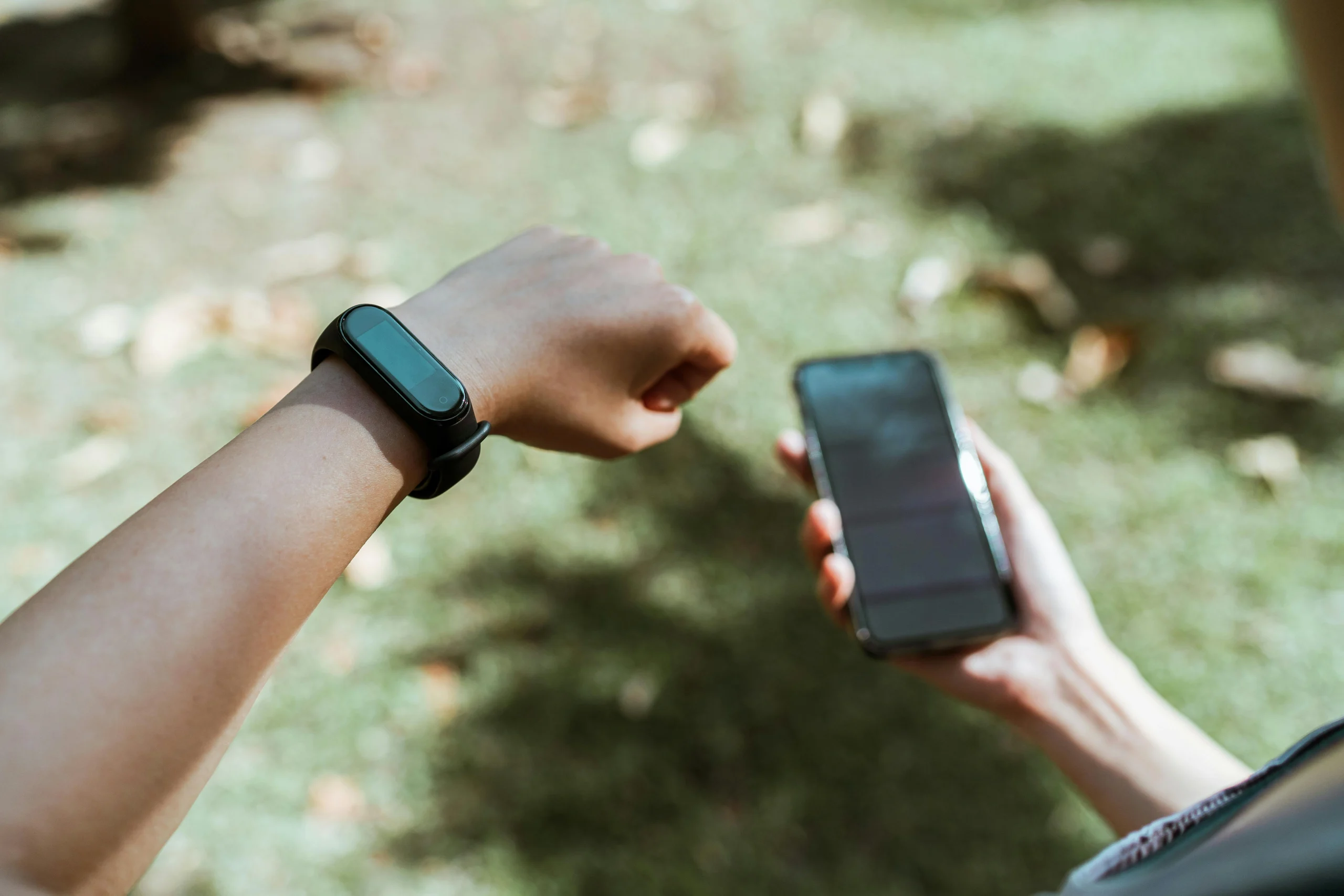
More people are becoming interested in wearable AI devices as technology moves beyond phones and laptops into smaller tools worn on the body. These devices may include smart glasses, AI-powered earbuds, watches, pins, or other compact hardware designed to listen, sense, analyze, and respond during everyday life. The main goal is often to make information easier to access without constantly looking at a screen.
Technology researchers explain that interest is growing because many users want digital help that feels faster and less disruptive than repeatedly opening apps. Consumer device specialists also note that wearable AI devices are still developing, which means expectations can vary. Some people see them as possible phone replacements, while others view them as lighter tools for reminders, navigation, translation, summaries, and voice-based tasks.
What Wearable AI Devices Do in Simple Terms
The simplest way to understand wearable AI devices is that they combine sensors, software, and AI-powered features inside hardware designed to stay close to the user throughout the day. Instead of sitting in a pocket or on a desk, the device is worn on the body and can often respond through audio, vibration, a visual display, or short spoken feedback.
Human-computer interaction specialists explain that this changes how users interact with technology. A wearable can stay available while walking, commuting, working, or exercising without needing the same hand-based interaction as a phone. This can make the experience feel more immediate, especially for quick tasks.
Experts note that these devices do not all serve the same purpose. Some focus mainly on health or activity tracking, while others include more AI-driven features such as voice assistance, translation, note capture, or contextual reminders.

Credit: Kampus Production / Pexels

Credit: Mikhail Nilov / Pexels
Why Interest Keeps Growing Around Smart Wearable Technology
Interest in smart wearable technology is growing because many users feel overwhelmed by screens, alerts, and constant app switching. A smaller device that handles quick tasks through audio or short prompts can feel appealing when phone use already feels heavy. Some people also like the idea of technology that fits into movement instead of interrupting it.
Market researchers explain that wearables attract attention when they promise convenience in areas like health tracking, communication, translation, note capture, and navigation. Interest also grows as people see AI moving into everyday tools beyond chat apps and search interfaces. Wearables make that shift feel physical and immediate.
Experts say excitement grows fastest when a device solves a clear daily problem. Novelty may create attention at first, but practical usefulness is what keeps interest from fading.
What Limits Still Affect Everyday AI Hardware
Even with growing attention, wearable AI devices still face clear limits. Battery life, comfort, privacy concerns, accuracy, and cost all affect whether a device feels practical in daily use. A wearable that needs constant charging or gives unreliable results can quickly become frustrating.
Hardware specialists explain that small form factors create difficult tradeoffs. A device needs to stay light and comfortable, but it also needs microphones, processors, sensors, wireless connections, and enough power to remain useful. These demands make design more challenging than many users first expect.
Experts recommend judging wearables by how well they handle real routine tasks, not just by how advanced they sound. A device that feels awkward, inconsistent, or too dependent on perfect conditions may struggle to fit naturally into daily life.
Why Privacy Matters With Wearable AI Devices
Because wearable AI devices may listen, track movement, detect location, or capture short moments of speech and activity, privacy remains one of the biggest concerns around them. A phone is often easier to put away. A wearable stays close to the user and may remain active for longer periods during ordinary routines.
Privacy researchers explain that settings, data handling, account protections, and recording controls all matter strongly here. Users benefit from knowing what is stored, what is processed immediately, and what may be linked to wider accounts or cloud systems. People nearby may also have concerns when a wearable includes microphones or cameras.
Experts note that the success of wearable AI hardware may depend not only on usefulness, but also on how clearly it explains data behavior and how much control users keep over it.
Why Wearable AI Devices May Keep Expanding
Researchers who study emerging technology explain that wearable AI devices may keep expanding because they fit several larger trends at once. Computing is becoming more voice-based, more context-aware, and less tied to one visible screen. At the same time, users are becoming more comfortable with smart assistants, audio tools, and always-available digital support.
If these devices become more reliable, more comfortable, and easier to understand, they may gain a stronger role in everyday life. Experts say the biggest long-term question is not whether the technology can exist. It is whether the hardware can deliver enough value in real daily situations to justify being worn regularly.
That is why understanding wearable AI devices matters now. They help show where personal technology may be heading as AI moves closer to the body and becomes more present in daily routines.
Frequently Asked Questions
Q: What are wearable AI devices?
A: Wearable AI devices are body-worn technology tools that use sensors, software, and AI features to provide help through audio, visuals, tracking, or short responses.
Q: What do wearable AI devices usually help with?
A: They may help with reminders, voice assistance, health tracking, navigation, translation, summaries, and other quick everyday tasks.
Q: Are wearable AI devices the same as smartwatches?
A: Not always. Some smartwatches include AI features, but wearable AI devices can also include smart glasses, earbuds, pins, and other body-worn hardware.
Q: Why are people interested in smart wearable technology?
A: Many people want faster, less screen-heavy access to information and tasks during daily routines.
Q: Do wearable AI devices raise privacy concerns?
A: Yes. Because they may use microphones, sensors, location data, or cameras, privacy settings and account protections are important.
Key Takeaway
Wearable AI devices are gaining attention because they bring smart assistance closer to daily movement, routine tasks, and quick decisions without depending entirely on a phone screen. Experts describe them as useful when they reduce friction through voice, sensing, and context-aware support, but their long-term success will depend on comfort, reliability, privacy, and real everyday value. As AI wearables explained through practical use become clearer, they may shape the next stage of personal technology.