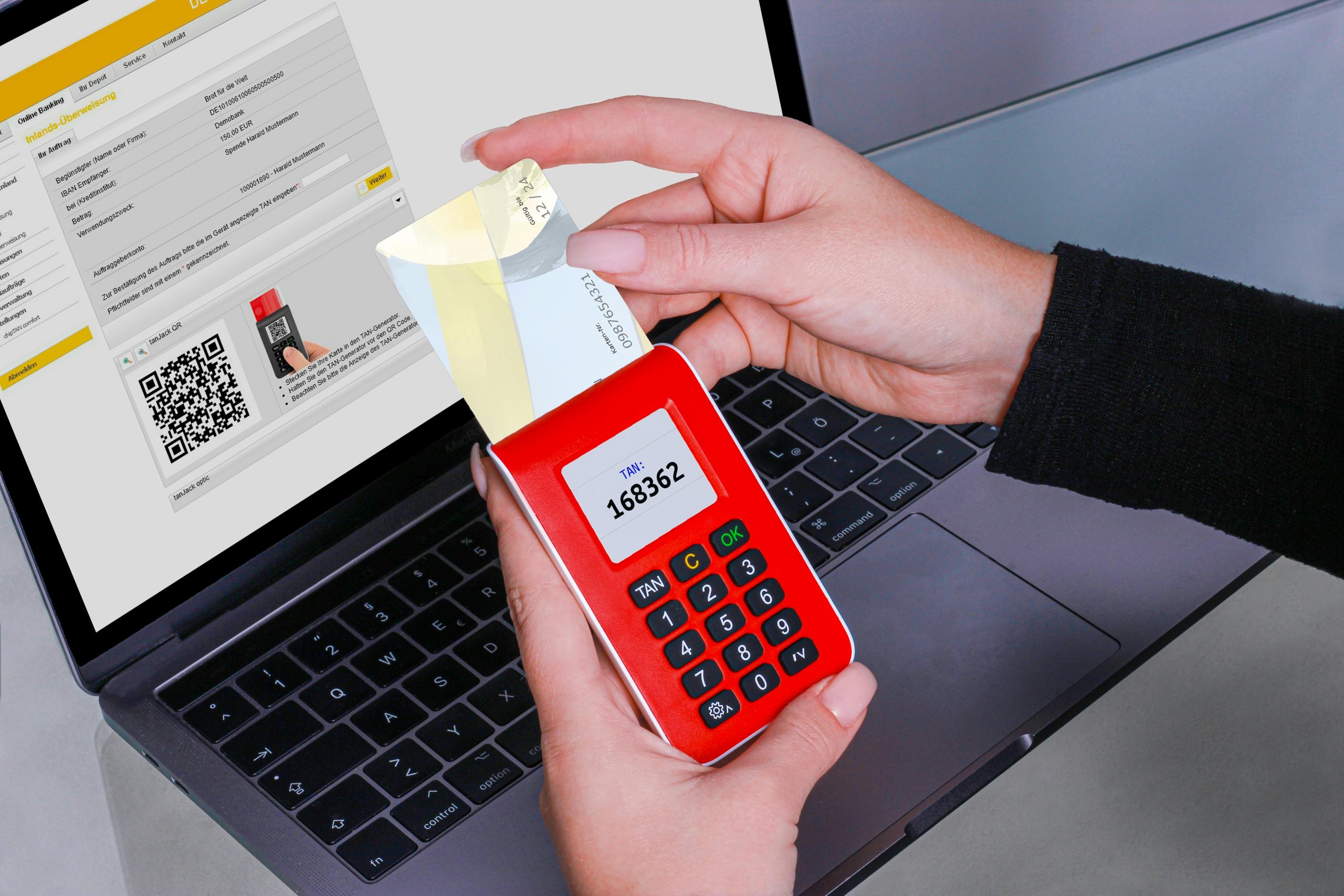
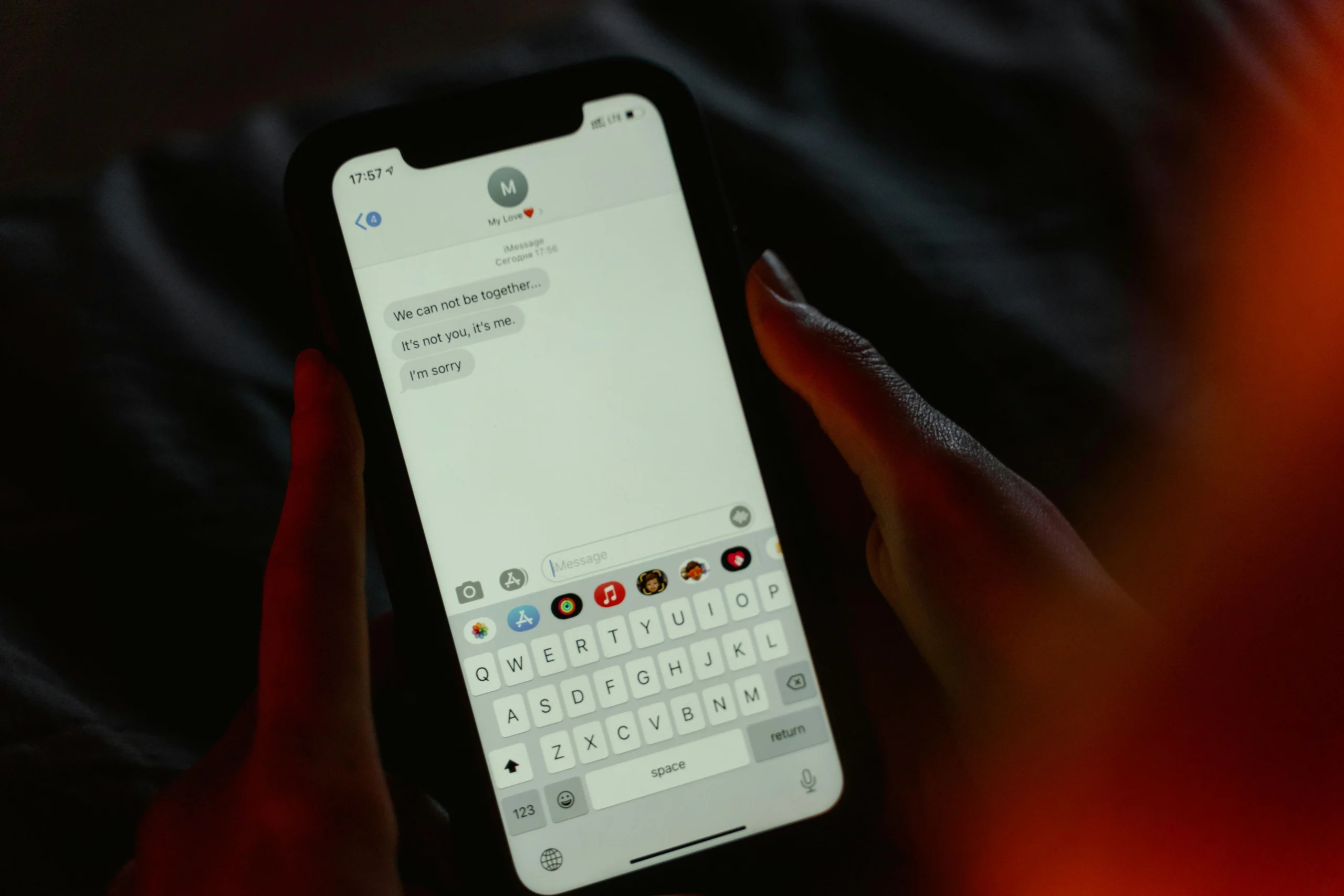
Many users need to understand phishing text messages because scam attempts no longer arrive only by email. Text scams can look short, direct, and believable, especially when they mention package deliveries, account alerts, bank activity, or unpaid bills. A rushed response can expose passwords, payment details, or other personal information in only a few taps.
Cybersecurity specialists explain that text-based phishing works well because people often trust phone notifications more than other online messages. Mobile fraud researchers also note that text messages feel immediate. They interrupt the day, appear beside real conversations, and encourage quick action before careful thinking begins. That mix of urgency and convenience makes text scams especially effective when users are distracted.
Why Phishing Text Messages Work So Often
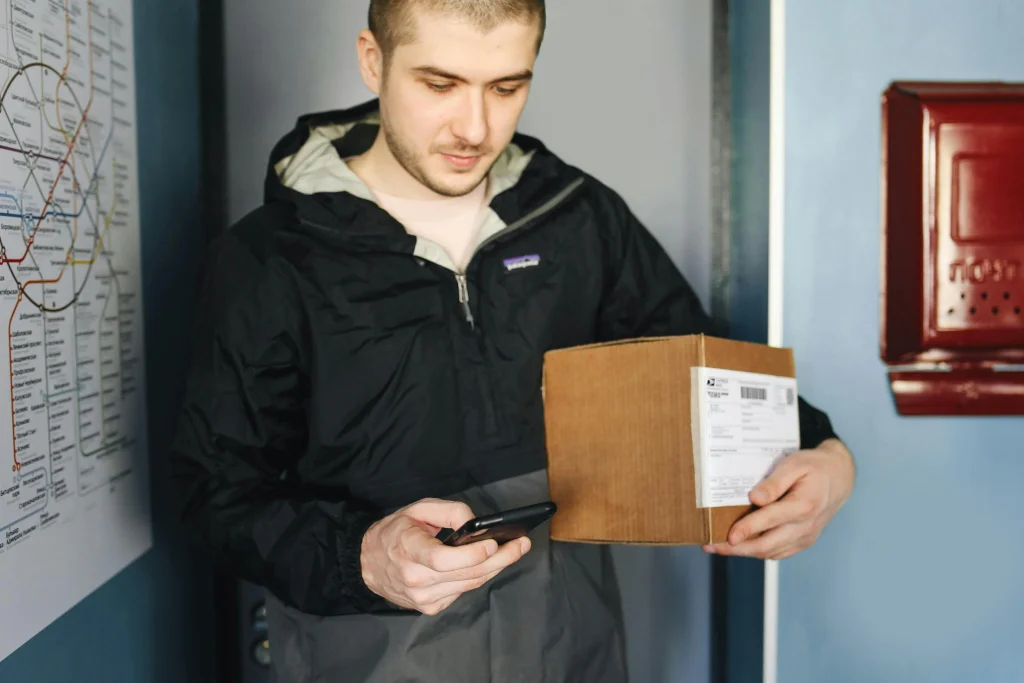
Phishing text messages succeed because they are designed to feel familiar and time-sensitive. A scam may claim a package cannot be delivered, a payment failed, a bank account needs verification, or a toll fee must be paid immediately. These topics sound routine enough to feel possible, but urgent enough to push the user into acting quickly.
Digital safety experts explain that text scams often rely on everyday tasks people already expect. A person waiting for a delivery may not find a shipping alert unusual. Someone who uses mobile banking may not question a message about account activity right away. The scam works by matching a believable situation with strong pressure to tap a link before checking the details carefully.
Experts recommend remembering that believable content is not the same as trustworthy content. A message can mention a real company, a common problem, or a familiar service and still be fraudulent.
Credit: Polina Tankilevitch / Pexels
How to Recognize the Most Common Text Scam Warning Signs
Many text scam warning signs appear in the wording and structure of the message. One common sign is urgency. The text may say that immediate action is required to avoid a fine, lost package, account freeze, or security issue. Another sign is a link that looks shortened, unusual, or unrelated to the company name mentioned in the message.
Consumer protection specialists explain that scammers often keep text messages brief on purpose. Short wording leaves less space for users to notice mistakes, and it encourages a fast tap rather than careful reading. Some texts also use awkward grammar, unusual punctuation, or inconsistent capitalization, though modern scams do not always contain obvious language errors.
Experts recommend looking for pressure, unclear details, and unfamiliar links first. Those three clues often reveal more than the company name shown in the message.
Why Unknown Links Are One of the Biggest Risks
A link inside a text message is often the most dangerous part. The user may believe the link leads to a delivery update, a secure login, or a payment portal, but it may instead open a fake website designed to steal information. In some cases, the page may imitate a well-known company closely enough to feel real at first glance.
Cybersecurity analysts explain that phone screens create extra risk because shortened links and small displays make it harder to inspect the destination clearly. Users may not see the full address before the site opens, and once the page loads, a familiar logo or official-looking design may hide the real problem.
Experts recommend avoiding direct taps on unexpected message links whenever possible. Opening a trusted app or typing the company’s official website independently is usually much safer.
How Scammers Use Real-World Topics to Create Pressure
Text scams often focus on subjects people already handle quickly. Package deliveries, password resets, banking alerts, parking fines, toll fees, tax notices, and job offers are common examples. These topics work because they sound like everyday tasks that can be resolved fast if the user responds right away.
Fraud researchers explain that the strongest scams are not always the loudest. Some messages sound calm and practical, which can make them more believable than dramatic warnings. A simple note about a missed parcel or account confirmation may seem harmless until the user is sent to a fake login page.
Experts recommend pausing whenever a message asks for quick action tied to money, account access, or personal identity details. Familiar topics are often used because they lower suspicion, not because the message is genuine.
Credit: Rahul Shah / Pexels
What Experts Recommend Before Replying or Tapping
Before replying to any unexpected text, experts recommend checking whether the message arrived through a trusted channel that makes sense. If a bank issue is mentioned, the user should open the official banking app directly. If a delivery problem is mentioned, the user should visit the shipping service through its known app or website instead of the message link.
Mobile fraud specialists explain that this simple habit breaks the scam’s main advantage. Once the user stops following the instructions inside the suspicious text, the scammer loses control over the path. A real account problem will still appear in the official app or verified website if the issue is genuine.
Experts also recommend avoiding replies such as “STOP,” “YES,” or “WHO IS THIS?” to suspicious messages. Any reply can confirm that the number is active and worth targeting again.
Why Phishing Text Messages Often Target Phones Specifically
Phones are personal, always nearby, and closely tied to banking, shopping, email, and authentication tools. That makes them valuable targets for scammers. A user may receive a text while walking, commuting, working, or doing chores, which means the message is often read under rushed conditions rather than in a focused review setting.
Mobile security specialists explain that phishing text messages also benefit from smaller screens and faster habits. People often trust messages more when they appear in the same place as real family and work communication. This makes scam texts feel less separate from daily life than suspicious emails often do.
Experts recommend treating text messages that ask for account action with the same caution used for email phishing. The platform is different, but the risk is often the same.
What To Do if Someone Already Clicked or Shared Information
If a user already clicked the link, entered login details, or shared payment information, the response should be quick and organized. The first step is to stop interacting with the message and go directly to the real company or account through its official channel. Passwords may need to be changed immediately, especially for email and banking accounts.
Fraud response experts explain that users should also review recent account activity and enable stronger login protection where available. If card details were shared, the payment provider may need to be contacted quickly. If the scam page requested personal identity details, the user may need to watch for additional fraud attempts that follow later.
Experts note that fast action matters more than embarrassment. A quick response can greatly reduce the damage after a mobile phishing mistake.
How Better Mobile Phishing Safety Habits Reduce Risk
Stronger safety habits make text scams much easier to avoid. Users benefit from slowing down, checking official apps directly, ignoring unexpected links, and remembering that real companies do not usually solve urgent account problems only through surprise text messages. These habits reduce the chance that fear or convenience will drive the decision.
Online safety educators also recommend keeping the phone updated and reviewing security settings on important accounts. While updates do not stop every scam, a well-maintained device and stronger account protection can help limit what happens after a bad tap. Good habits work best when combined with technical protection.
Experts say the best defense against phishing text messages is simple: pause before tapping, verify through trusted channels, and never let the text message decide the next move.
Frequently Asked Questions
Q: What are phishing text messages?
A: They are scam texts designed to trick users into clicking malicious links, sharing personal details, or sending money.
Q: What are the biggest warning signs in a scam text?
A: Urgent language, suspicious links, unusual sender details, and requests for account or payment action are among the most common warning signs.
Q: Should users reply to suspicious text messages?
A: Experts usually recommend not replying, because even a short response can confirm that the number is active.
Q: What should users do instead of tapping a text link?
A: The safer step is to open the official app or type the known website directly instead of following the message instructions.
Q: What if someone already clicked a phishing text?
A: Users should change important passwords, review account activity, and contact financial providers quickly if payment or login details were shared.
Key Takeaway
Phishing text messages are effective because they combine believable real-world topics with urgency and easy links on a device people use all day. Experts recommend slowing down, checking official apps independently, avoiding replies to suspicious texts, and treating any surprise message about money, delivery, or account security with caution. A few extra seconds of review can prevent a small text alert from becoming a larger privacy or financial problem.