More people are starting to ask what edge computing does as smart devices, sensors, and connected systems become part of everyday life. Edge computing refers to processing data closer to where it’s created, rather than sending everything to a distant central server first. This shift can improve speed, reduce delays, and allow systems to respond more quickly.
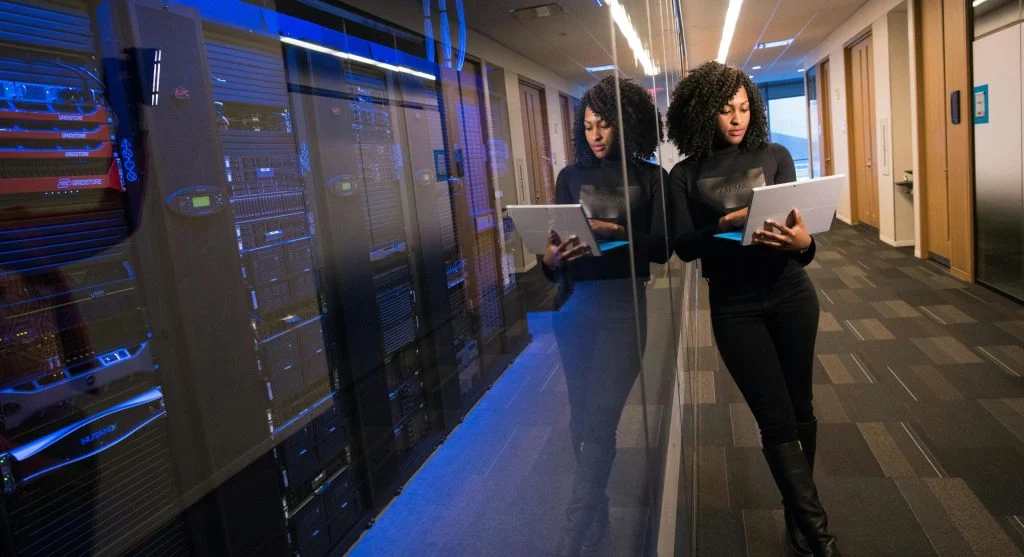
Technology researchers point out that modern digital systems generate massive amounts of data every second. Smart cameras, vehicles, industrial machines, wearable devices, and home systems all produce information that often needs to be acted on right away. Computing specialists note that while sending data to a central data center works well in many cases, it’s not always ideal when immediate response is required.
What Edge Computing Does in Simple Terms
In simple terms, edge computing moves part of the processing closer to the source of the data. Instead of relying entirely on a remote server to handle every decision, the system can process certain information locally and respond faster.
Network engineers explain that the “edge” refers to the outer part of the network—closer to the user, device, or sensor. This could be a local gateway, nearby hardware, or a system located in the same environment as the device. The key idea is reducing the distance between where data is created and where it’s processed.
Experts also emphasize that this doesn’t replace cloud computing. Instead, it complements it. Some data is handled locally for speed and efficiency, while other information is still sent to the cloud for storage, monitoring, or more detailed analysis.
Credit: ThisIsEngineering / Pexels
Why Sending Data Far Away Can Create Delay
Many connected systems rely on central servers or cloud platforms, and in many cases, that works well. But when data has to travel long distances, it takes time. Even small delays can matter if a device needs to respond right away.
Computer systems specialists explain that this delay becomes more noticeable when dealing with live video, motion detection, safety alerts, or real-time controls. If every action depends on data going to a distant server and back again, the response may be slower than the situation requires.
That’s why edge computing is often explained in terms of speed. By handling some processing closer to where the data is created, it reduces the time between an event and the system’s response.
How Edge Computing Helps Connected Device Speed
One of the clearest ways to understand what edge computing does is to look at how it improves speed. When a device or nearby system can process information locally, it can respond more quickly to user input, environmental changes, or system activity.
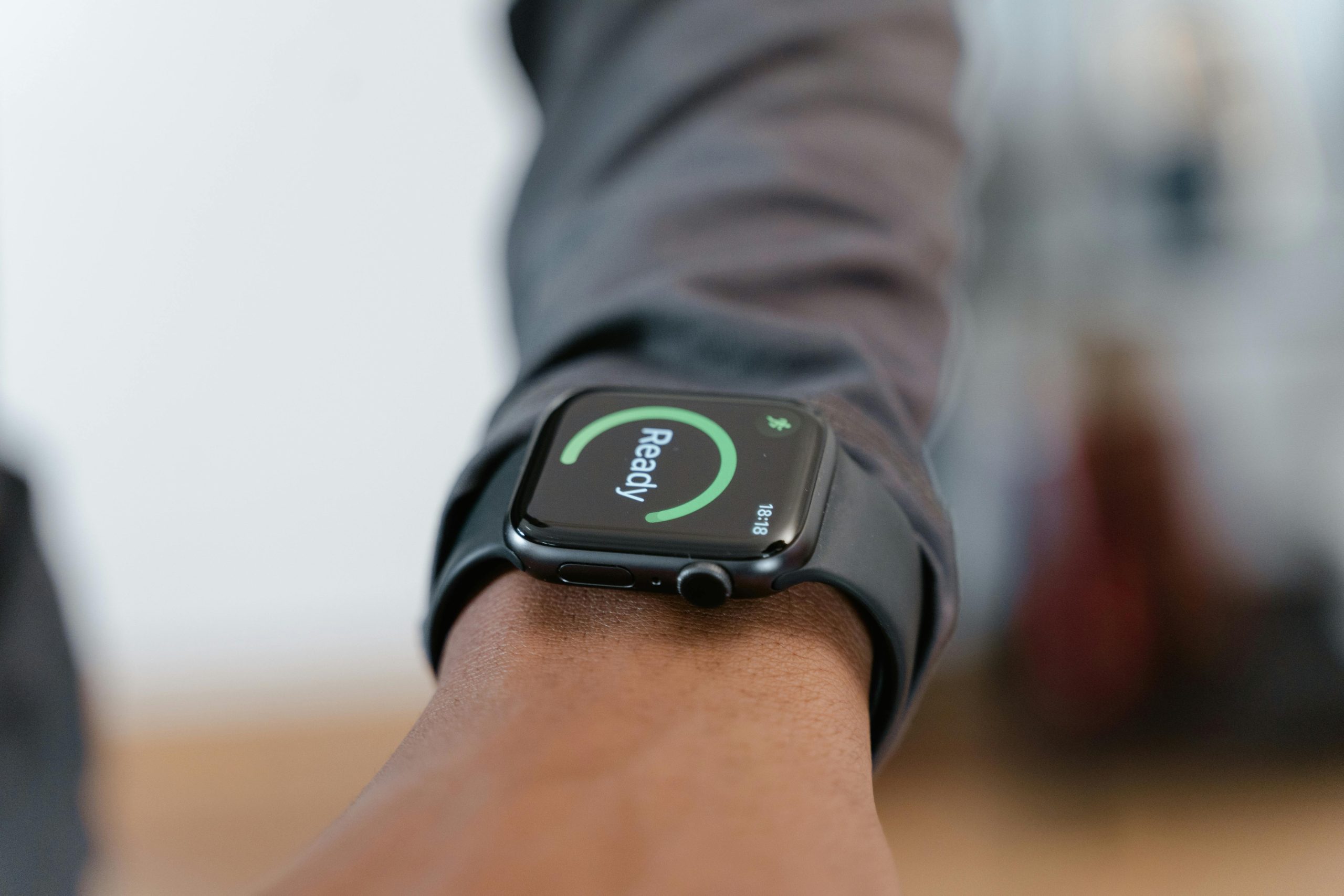
Researchers working with connected devices note that this is especially important for tools like smart cameras, industrial sensors, traffic systems, and wearable devices. In these cases, a fast local decision is often more useful than sending all data to a remote service first.
Experts also point out that faster response times are not just about convenience. In many situations, they can improve safety, reliability, and the overall performance of automated systems.
What Edge Computing Does for Internet and Network Load
When every device sends all of its raw data to the cloud, networks can quickly become overloaded. Continuous video streams, sensor updates, and machine data can create a heavy flow of traffic.
Edge computing helps reduce that load by processing part of the data locally and sending only what’s necessary onward. Network analysts explain that not all raw data needs to travel long distances. Local systems can filter, summarize, or act on information immediately, then forward only key results for storage or analysis.
This approach makes better use of network resources and reduces bandwidth demand. It becomes especially valuable in environments where many devices operate at the same time, helping prevent the network from being overwhelmed by unnecessary data.
Credit: panumas nikhomkhai / Pexels
How Edge Computing Works With Cloud Systems
Some people assume edge computing replaces cloud platforms, but experts usually describe the two as partners rather than opponents. Edge systems handle certain tasks close to the source, while cloud systems still support larger storage, deeper analysis, updates, and coordination across many locations.
Cloud infrastructure specialists explain that the best setup often depends on the type of work being done. Fast local decisions may happen at the edge, while long-term records or larger model training may still happen in the cloud. This balance allows systems to stay both responsive and scalable.
Experts note that understanding this partnership makes the concept easier. Edge computing does not mean less technology overall. It means more carefully placed computing depending on what the system needs most.
Why Edge Computing Matters in Everyday Technology
Although the term can sound technical, the idea matters more as connected systems become part of everyday life. Smart home devices, vehicles, wearable tools, public infrastructure, and business systems all benefit when information can be processed efficiently and quickly.
Technology adoption researchers explain that many people may use services shaped by edge computing without noticing it directly. A camera that identifies activity faster, a traffic signal system that responds more efficiently, or a smart device that reacts more smoothly may all reflect the same underlying idea.
Experts say the growing importance comes from the wider shift toward immediate digital response. As more devices generate live information, local data processing becomes more practical and more valuable.
What Limits Still Affect Edge Computing
Even though the advantages are clear, edge computing also has limits. Local systems need capable hardware, consistent management, and strong security practices. Spreading computing across many locations can make maintenance and updates more complicated than relying only on one central system.
Cybersecurity specialists explain that local processing points must still be protected because they may handle sensitive or important information close to the source. Systems engineers also note that not every task belongs at the edge. Some work is still better handled centrally where larger resources are available.
Experts recommend thinking of edge computing as a practical design choice rather than a universal answer. It works best when a system truly benefits from speed, local action, or reduced network traffic.
Why More Industries Are Paying Attention to Edge Computing
Researchers who study emerging technology explain that interest is growing because devices and sensors are now producing more live information than older systems were designed to handle efficiently. Faster networks, cheaper sensors, and stronger local hardware have made it easier to place computing closer to the action.
Industries focused on automation, safety, smart infrastructure, logistics, and connected consumer tools are all paying attention for similar reasons. They want systems that respond faster, use bandwidth more wisely, and stay useful even when constant cloud communication is not ideal.
In that sense, understanding what edge computing does helps explain a broader shift in technology design. Systems are moving toward faster local decisions while still keeping the benefits of larger centralized computing where it makes sense.
Frequently Asked Questions
Q: What is edge computing in simple words?
A: Edge computing means processing data closer to the device or location where it is created instead of sending all of it to a distant server first.
Q: Does edge computing replace cloud computing?
A: No. Experts usually explain that edge and cloud systems often work together, with each handling different parts of the overall process.
Q: Why does edge computing improve speed?
A: It can reduce delay because some data is processed locally instead of traveling farther across the network before action happens.
Q: What kinds of systems use edge computing?
A: Connected devices, smart cameras, industrial sensors, vehicles, and some smart home or wearable systems are common examples.
Q: Is edge computing only for large companies?
A: Not always. Many everyday services and consumer technologies may benefit from edge computing even if users never see the system directly.
Key Takeaway
Understanding what edge computing does helps explain why more connected systems are designed for faster local action instead of relying only on distant servers. Experts describe it as a way to improve speed, reduce delay, and support better performance by moving some processing closer to the source of the data. As connected devices keep growing, edge computing explained through local data processing is likely to matter more across both industry and everyday technology.
[INTERNAL LINKING SUGGESTIONS]
– What Digital Twins Are and Why More Industries Are Paying Attention
– How Consumer Robots Work and Where They May Fit Into Daily Life
– How AI Recommendations Work and Why They Shape What People See Online