
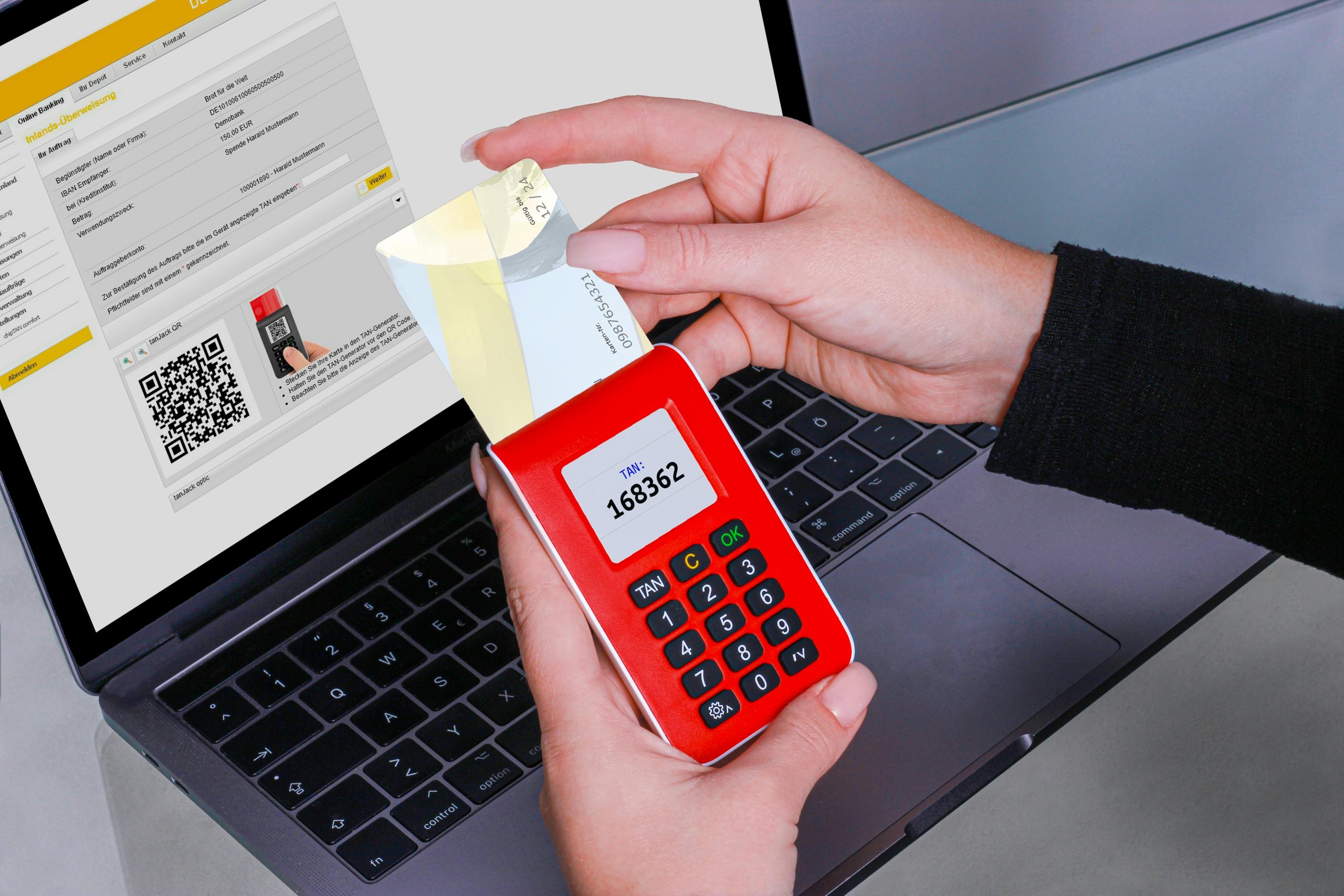
You’ve probably encountered two-factor authentication when you’ve been setting up an email, a bank account, when you’re shopping online, or for social media. It sounds complicated, but it’s pretty straightforward. It just means you need a second step to get in, so simply knowing your password isn’t enough.
Security experts say passwords are still a necessity, yet they don’t always prevent someone from getting into your account. If someone figures out your password, if you use it on multiple sites, if it gets out in a data breach, or if a phisher tricks you into giving it up, that extra check with two-factor authentication will make it a lot harder for a criminal to get in. Because of this, two-factor authentication is now one of the best ways for average people to keep their accounts secure.
What Two-Factor Authentication Means in Simple Terms
To prove who you are when you sign in, two-factor authentication requires two different kinds of confirmation. Typically, the first of these is something you’ve memorized, for example a password or PIN. For the second, you’d use something you physically possess, like your phone, an authenticator app, or a one-time login code.
As security people will tell you, that extra step throws up another barrier to anyone attempting to get into your account when they shouldn’t. So even if someone has your password, they’ll be blocked from logging in if they don’t have the second piece of security. That’s why it’s much more secure than just using a password.
The whole point of this system isn’t to annoy you with complicated logins. It’s to make it harder for people to break into your account, while not making it too much of a hassle for you to use it as normal.
Credit: REINER SCT / Pexels
Why Passwords Alone Are Not Always Enough
Many accounts still rely mainly on passwords, but passwords can be exposed in several ways. Users may choose weak passwords, reuse them across services, or enter them into fake websites by mistake. Some passwords are also exposed through old data leaks or unsafe storage habits.
Cybersecurity analysts explain that attackers often test stolen passwords on multiple websites to see where access works. This is especially risky when the same password is used for email and other important accounts. Once one service is exposed, others may be easier to reach.
Experts recommend seeing two-factor authentication as a backup defense. It cannot fix every security problem, but it can reduce the damage a stolen password might cause.
How Two-Factor Authentication Protects Safer Online Accounts
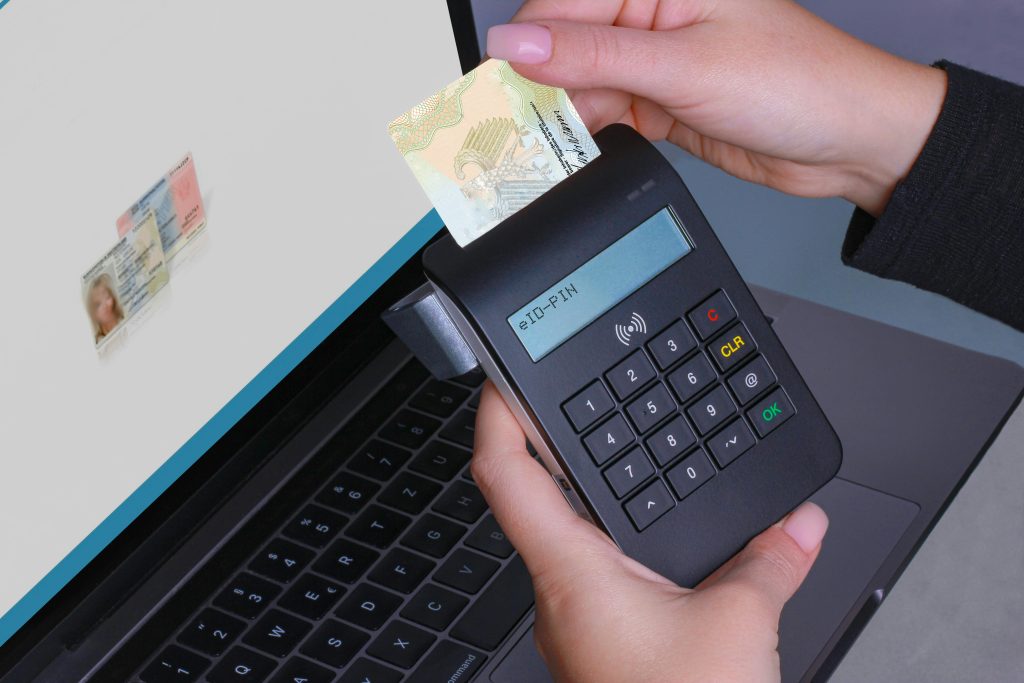
The main advantage of two-factor authentication is that it’s an additional layer of security after your password. You might get a code on your phone via text, be asked to confirm the sign-in on an app, or use a code from a security device. Even if somebody gets hold of your password, your account won’t open for them without doing that extra thing.
Security professionals say this makes your accounts online much more secure, and it limits what a stolen password can do. So a password that’s been made public is far less valuable when something else is needed to verify it’s really you. For this reason, many companies suggest you use better login security for your email, banking, and work accounts.
And generally, experts say you should protect your most important accounts with this method first. Email is very often the first thing to secure, as it’s connected to getting passwords changed for all your other accounts.
What Types of Two-Factor Authentication People Commonly Use
There are several common ways to add a second login step. One of the most familiar methods is a code sent by text message. Another common option is an authentication app that creates temporary codes on the user’s phone. Some services also use email confirmation, device approval prompts, or physical security tools.
Security professionals explain that some methods are stronger than others, but the main point for many users is to enable a second layer rather than relying on a password alone. App-based codes are often viewed as a more secure option than ordinary text messages, especially for highly important accounts.
Experts recommend using the strongest practical option offered by the service, while still choosing a method that the user can manage consistently.
Credit: Zulfugar Karimov / Pexels
Why Email Accounts Should Often Be Protected First
Two-factor authentication is a really good boost to security, but it doesn’t mean you can forget about being careful online. You’ll still get more protection from complicated, unique passwords, knowing how to spot scams, and being cautious about anything asking you to log in if you aren’t sure it’s legitimate. A second layer of security is helpful, yet it needs to be just one piece of how you generally stay safe.
Security people who teach about online safety say attackers will often still attempt to use phishing tricks to get both your password and that second security code. So it’s important to be careful with anything that demands an immediate response, a login screen that looks strange, or anything unexpectedly asking for a way to prove it’s you.
What those in the know suggest is using two-factor authentication along with making and remembering strong passwords and regularly looking over your accounts.
What Users Should Know About Backup Access and Recovery
A second login step improves protection, but it also means users should think about recovery access. If a phone is lost, changed, or unavailable, the account owner may need backup codes or another recovery method. Many services provide these options during setup.
Device security specialists explain that users should store backup codes safely and review recovery details before relying on two-factor authentication every day. This helps prevent accidental lockout during travel, device changes, or phone problems.
Experts recommend treating recovery setup as part of the security process rather than as an optional extra. Strong login protection works best when access is both secure and practical.
Why Two-Factor Authentication Still Works Best With Good Password Habits
Two-factor authentication is a great addition to security, but it isn’t a substitute for just being sensible online. You’re still much better off with passwords that are long, complicated and different for each account, being able to spot scams, and always being careful about anything that asks you to log in when you weren’t expecting to. A second layer of security helps, but needs to be one element of how you stay safe.
Security people who teach online safety say attackers will often still use ‘phishing’ to get hold of both your password and the code from your second factor. So it’s important to be careful with emails or texts that are pressing, login pages that look odd, and when you’re asked for verification out of the blue.
What the security experts suggest is to use two-factor authentication and have good password habits, and regularly look over your accounts.
How Two-Factor Authentication Supports Long-Term Account Safety
Account security is not only about stopping one attack today. It is also about creating habits that make future problems less likely. Two-factor authentication supports that goal by adding friction to unauthorized access and making routine account theft harder to carry out.
Privacy and security researchers note that users often become more confident after enabling extra protection because their accounts no longer depend entirely on one secret word. This added control is especially useful for people who manage many digital services across work and personal life.
Experts describe two-factor authentication as one of the most practical improvements users can make without needing advanced technical knowledge. It is a simple concept with long-term value for safer online accounts.
Frequently Asked Questions
Q: What is two-factor authentication?
A: Two-factor authentication is a login method that requires both a password and a second verification step, such as a code or app approval.
Q: Why is two-factor authentication important?
A: It helps protect accounts by making a stolen or guessed password less useful on its own.
Q: Is two-factor authentication only for important accounts?
A: It is especially important for email, banking, and cloud accounts, but experts recommend using it on as many key services as possible.
Q: Are text message codes the only option?
A: No. Many services also support authentication apps, approval prompts, backup codes, or other verification methods.
Q: Does two-factor authentication replace strong passwords?
A: No. It works best as an extra layer alongside strong, unique passwords and safer login habits.
Key Takeaway
Two-factor authentication is like adding an extra lock to your online accounts, making them significantly more difficult for someone to break into. Security professionals suggest you start with your email and anything else really important, and at the same time, continue to create complicated passwords and have secure ways to get back into your account if you forget something. Really, for most of us, it’s one of the simplest and best things you can steadily do to make your online life safer.
[INTERNAL LINKING SUGGESTIONS]
– How to Create Strong Passwords Without Making Them Hard to Remember
– How to Spot Phishing Emails Before They Put Your Accounts at Risk
– How to Review Browser Privacy Settings for Safer Everyday Web Use