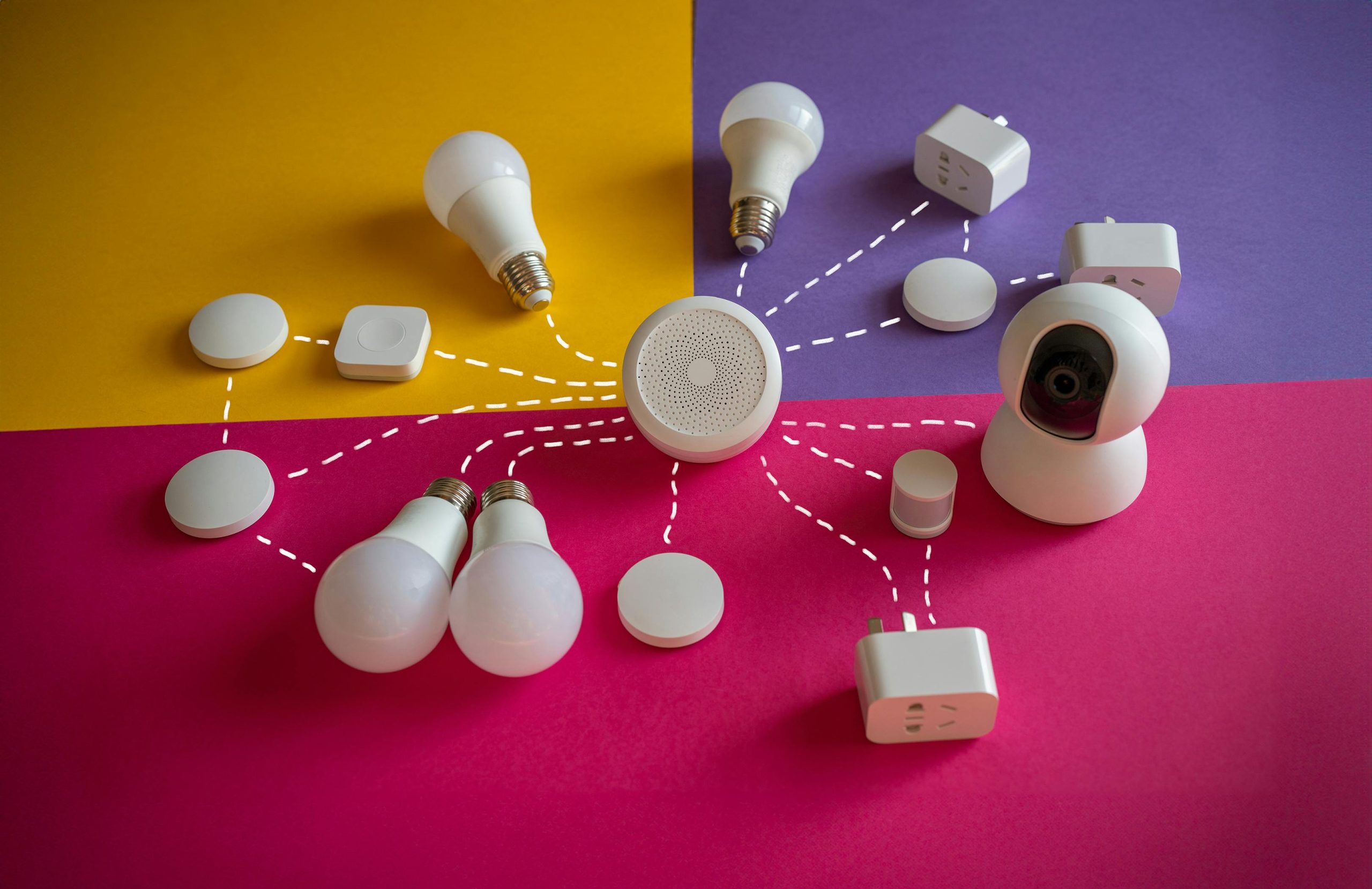
Many homeowners want to understand what smart plugs do before adding more connected devices to their homes. Smart plugs are small adapters that fit into a wall outlet and allow ordinary appliances to be controlled through an app, voice assistant, or schedule. They offer a simple way to add basic automation without replacing the appliance itself.
Home technology specialists explain that smart plugs are often one of the easiest entry points into connected home devices. Unlike larger smart systems, they usually work with everyday lamps, fans, coffee makers, and other standard items. Device analysts also note that smart plugs are most useful when households understand their limits, setup needs, and safety basics.
What Smart Plugs Do in Simple Everyday Terms
The easiest way to explain what smart plugs do is that they allow power to be turned on or off more intelligently. After a device is plugged into the smart plug, the user can often control that device from a smartphone app or with a voice command. Some models also support timers or daily schedules.
Connected home specialists note that this can make ordinary appliances feel more flexible. A lamp can switch on at a set hour, a fan can shut off overnight, or a coffee maker can be controlled without touching the wall outlet directly. These are small changes, but they can make daily routines easier to manage.
Experts also point out that smart plugs do not change how the appliance itself works. They mainly control when power reaches the device. That means they work best with appliances that start running immediately once power is available.
Credit: Jakub Zerdzicki / Pexels
How Smart Plug Basics Work With Apps and Wi-Fi
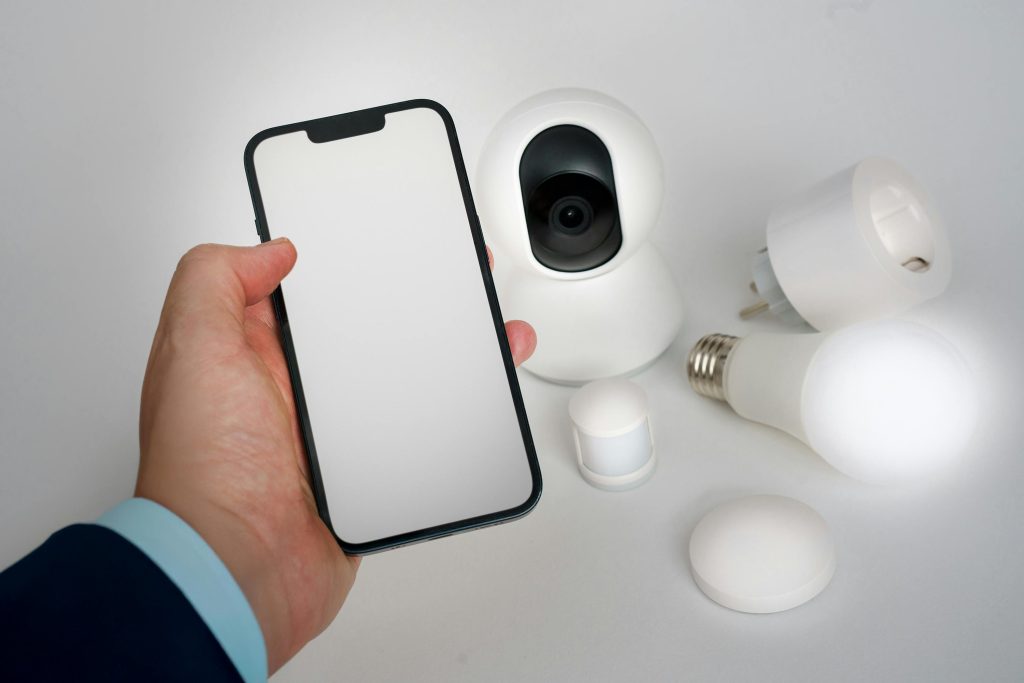
Most smart plugs connect to a home Wi-Fi network through a companion app. During setup, the plug is paired with the app and then added to a room or device list. From there, users can often rename it, create schedules, or link it to voice assistant services.
Network support professionals explain that Wi-Fi quality matters because the plug relies on that connection for remote control and automation. If the signal near the outlet is weak, the smart plug may respond slowly or disconnect more often. Placement of the router and signal strength can affect everyday performance.
Experts recommend checking whether the smart plug setup process fits the home network before adding several devices at once. A stable connection helps even simple automation feel more reliable.
Why Smart Plugs Are Popular in Connected Home Devices
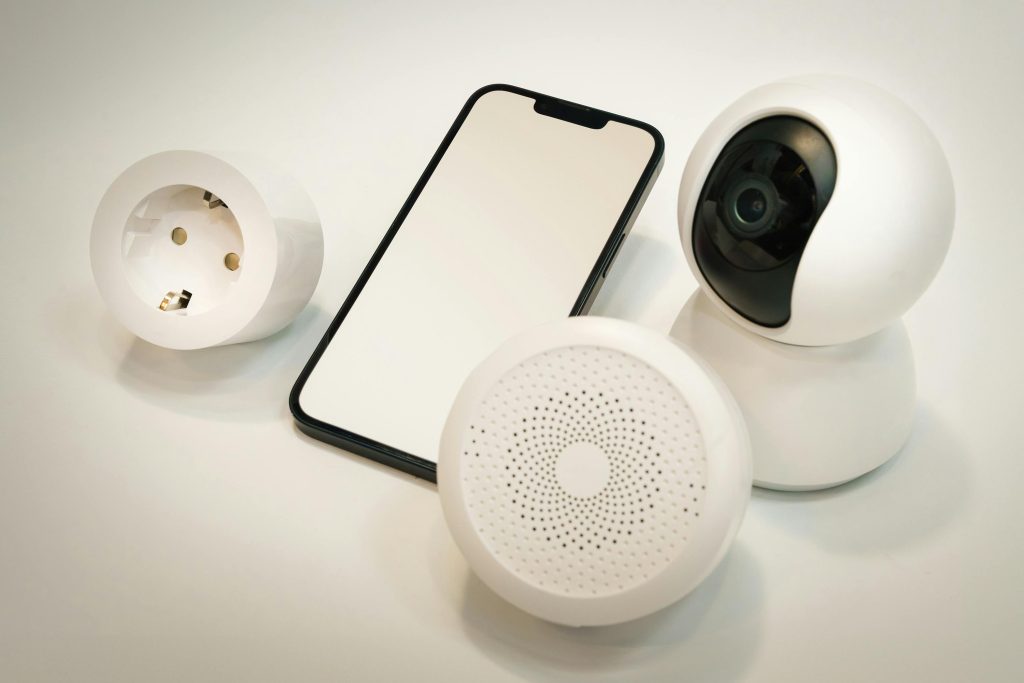
Smart plugs are popular because they do not require replacing every appliance with a newer smart version. Instead, users can add a basic automation layer to items they already own. This makes them appealing for people who want convenience without redesigning the whole home.
Home automation researchers explain that these devices are often used in smaller, practical ways. A table lamp can turn on before sunset, holiday lights can follow a schedule, or a desk fan can shut off after bedtime. These are simple tasks, but they fit daily life well.
Experts say the popularity of smart plugs often comes from their low complexity. Many households do not want a full automation system right away. Smart plugs offer a smaller, easier step into connected living.
Credit: Photographer Name / Pexels
How Schedules and Timers Help Daily Routines
One of the most useful answers to what smart plugs do involves routines. Many plugs allow users to create schedules for when a connected device should turn on or off. This is helpful for lighting, fans, and other appliances used at regular times each day.
Technology behavior specialists explain that schedules reduce the need to remember small repetitive tasks. Instead of switching the same light on every evening, the plug can handle it automatically. This can support convenience and, in some cases, better energy habits if devices do not remain on longer than necessary.
Experts recommend starting with one or two simple schedules rather than creating many automations at once. Straightforward routines are easier to test and easier to trust.
What Smart Plugs Do Not Do for Every Appliance
Smart plugs are helpful, but they are not ideal for every device. Some appliances need a manual button press each time they are used. Others may not restart automatically when power returns, which limits the value of smart control. Large or high-power appliances may also require more caution.
Electrical safety specialists explain that smart plugs work best with small household devices that are already safe for this kind of on-off power control. Users should review manufacturer guidance and avoid assuming every appliance is a good match. High-demand devices may require different handling or may not be suitable at all.
Experts note that understanding this limit helps avoid disappointment. Smart plugs are best viewed as simple power-control tools, not universal automation for every household item.
Why Smart Plug Setup Should Include Security Basics
Because smart plugs connect through apps and Wi-Fi, security still matters. Even a small device becomes part of the wider home network. If account settings are weak, connected home devices may be less protected than users expect.
Cybersecurity professionals recommend strong account passwords, secure home Wi-Fi settings, and regular app or firmware updates where available. These basic steps help keep even small connected devices under better control.
Experts also advise removing unused devices from the app and network list. A simple setup is often easier to manage and easier to secure over time.
How Smart Plugs Can Support Better Energy Habits
Some households use smart plugs to create more intentional power use. While a smart plug is not the same as a full energy management system, it can help reduce the time that small devices stay on unnecessarily. Scheduled shutdowns and remote controls make it easier to notice everyday habits.
Home efficiency specialists explain that the biggest value often comes from awareness rather than from dramatic savings. A person who can see when a device is usually on may make better routine decisions. This is especially true for lamps, decorative lights, or small appliances that are easy to forget.
Experts suggest focusing on convenience first and treating any energy benefit as an added bonus. Smart plug basics are most useful when they solve a real daily routine problem clearly.
Frequently Asked Questions
Q: What do smart plugs do?
A: Smart plugs control power to a connected device through an app, schedule, or voice assistant, making ordinary appliances easier to manage.
Q: Do smart plugs need Wi-Fi?
A: Most smart plugs rely on Wi-Fi and a companion app for setup, scheduling, and remote control.
Q: Can smart plugs work with any appliance?
A: Not always. They work best with smaller devices that safely resume operation when power is turned on.
Q: Are smart plugs part of a smart home system?
A: Yes. They are often considered simple connected home devices because they add app-based or voice-based control to everyday appliances.
Q: Do smart plugs help save energy?
A: They can help support better habits by making it easier to turn devices off on time, though results depend on how they are used.
Key Takeaway
Understanding what smart plugs do helps explain why they are one of the simplest ways to begin using connected home devices. Experts describe them as practical tools for controlling power, creating schedules, and adding convenience to everyday appliances without replacing those appliances entirely. Smart plug basics are most useful when setup is reliable, security settings are reviewed, and the connected device is a safe match for automated power control.
[INTERNAL LINKING SUGGESTIONS]
– How to Set Up Smart Home Devices for Better Security and Convenience
– How to Improve Smart Speaker Privacy With Simple Settings and Habits
– How to Secure Home Wi-Fi With Better Router Settings and Simple Habits