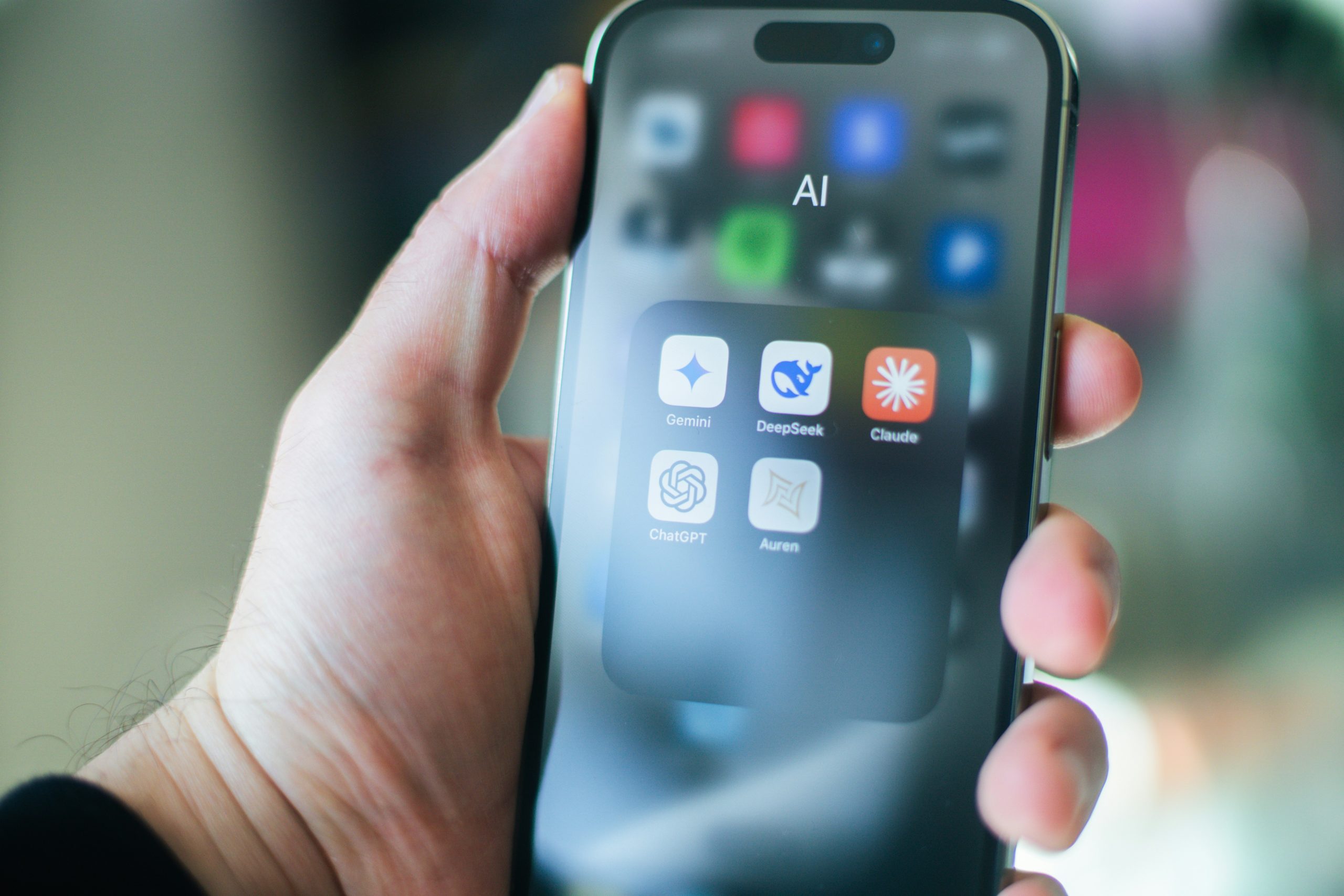
Lots of people are curious about mixed reality at the moment, and that’s because our phones and other screens are becoming less of the way we get into digital worlds. Mixed reality takes bits of where you are and blends them with computer-generated images that seem to be a part of your actual space. It’s in a spot between what we’re used to with phones and computers, and the newer systems you wear that put information right in front of your eyes.
When people doing research into these technologies talk about mixed reality, they’ll bring up augmented reality and virtual reality too, but it isn’t quite the same as either of those. Experts in the equipment itself say the increasing popularity is from the possibility of doing things like working, being educated, browsing stores, and chatting with people using digital info in a way that feels far more normal than using a phone or laptop.
What Mixed Reality Means in Simple Terms
Mixed reality is best described as a combination of what’s around you in the real world and computer-generated additions that you can both see and use at the same time. So, you don’t just look at digital info on a phone, a tablet or a computer screen; instead, virtual things are shown as if they are actually in the place you are, and they’ll change as you do.
People who really know about immersive tech say this isn’t the same as a normal digital picture on top of what you see. The system is designed to map the room, the furniture and how you’re moving around so digital items seem to stay where they are. For instance, a virtual screen will remain on a wall, and a three-dimensional item will look as if it’s on a table as you walk around it.
Fundamentally, it’s about the digital and physical worlds working together. Digital content is most helpful when it feels like it’s truly there, related to what you’re doing, and does something based on your actions, rather than just being randomly placed in your line of sight.
Credit: Photographer Name / Pexels
How Mixed Reality Differs From Augmented Reality and Virtual Reality
Many users confuse mixed reality with augmented reality and virtual reality because all three involve immersive technology. Augmented reality usually places digital information on top of the real world, often through a phone screen or smart glasses. Virtual reality usually blocks out the physical world and replaces it with a fully digital environment.
Mixed reality explained simply is more interactive than basic augmented reality and less fully separate than virtual reality. It aims to make digital objects feel aware of the physical space around the user. That may include walls, tables, room depth, hand position, or eye focus.
According to interface designers, the main difference is the sense of shared space. In mixed reality, the system tries to make digital elements behave as though they belong in the room rather than simply appearing in front of the eyes.
How Mixed Reality Technology Works Behind the Scenes
To understand what mixed reality means, it helps to know how the system works. Mixed reality devices usually rely on sensors, cameras, spatial mapping tools, motion tracking, and display technology. These tools help the device understand where the user is looking, how the head is moving, and what objects are nearby.
Hardware engineers explain that the device builds a model of the surrounding space and then places digital elements into that model. This is why mixed reality headsets need strong tracking and processing. If the system loses position or responds slowly, the digital experience can feel unstable or unnatural.
Researchers who study immersive computing also note that comfort matters as much as technical ability. A powerful headset may still struggle in daily use if it feels heavy, drains quickly, or causes visual strain after short sessions.
Why Companies Are Interested in Everyday Immersive Technology
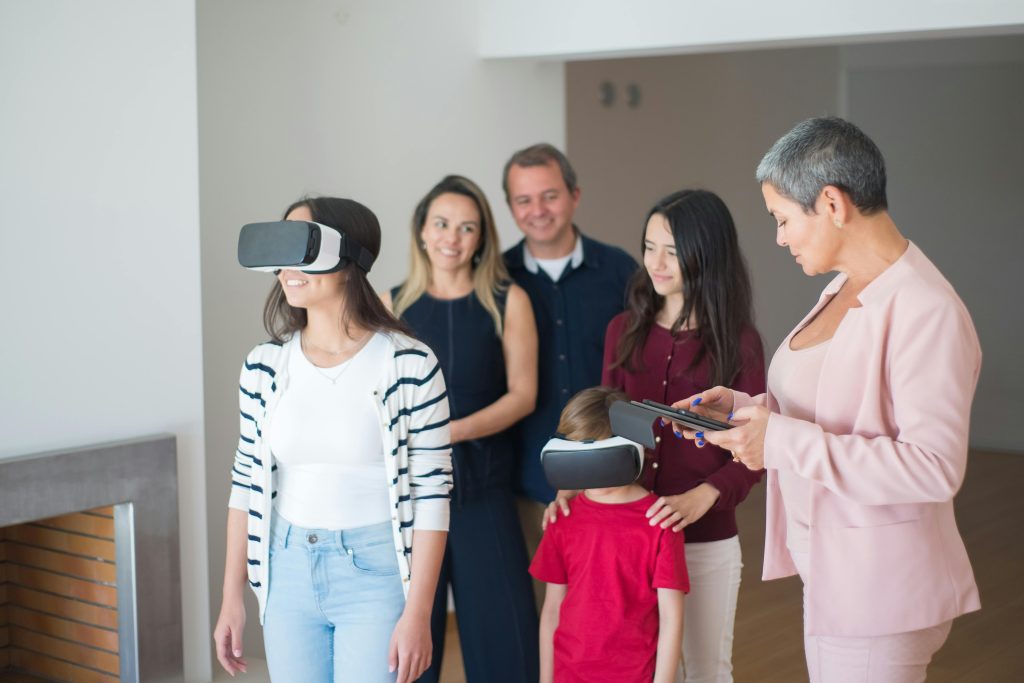
Interest in everyday immersive technology comes from the idea that screens may not always be the best way to access information. A person repairing equipment might benefit from step-by-step guidance placed directly into view. A student might understand a complex object better by walking around a 3D model instead of viewing it on a flat display.
Consumer technology analysts explain that mixed reality could also support shopping, home design, training, and remote collaboration. A user might preview furniture inside a real room, join a digital workspace with floating screens, or follow visual instructions during a task. These possibilities attract attention because they bring information closer to real actions.
Experts say the appeal is not only novelty. The strongest use cases often appear when mixed reality reduces steps, shortens confusion, or makes information easier to understand in context.
Credit: Tima Miroshnichenko / Pexels
What Mixed Reality Means for Work and Learning
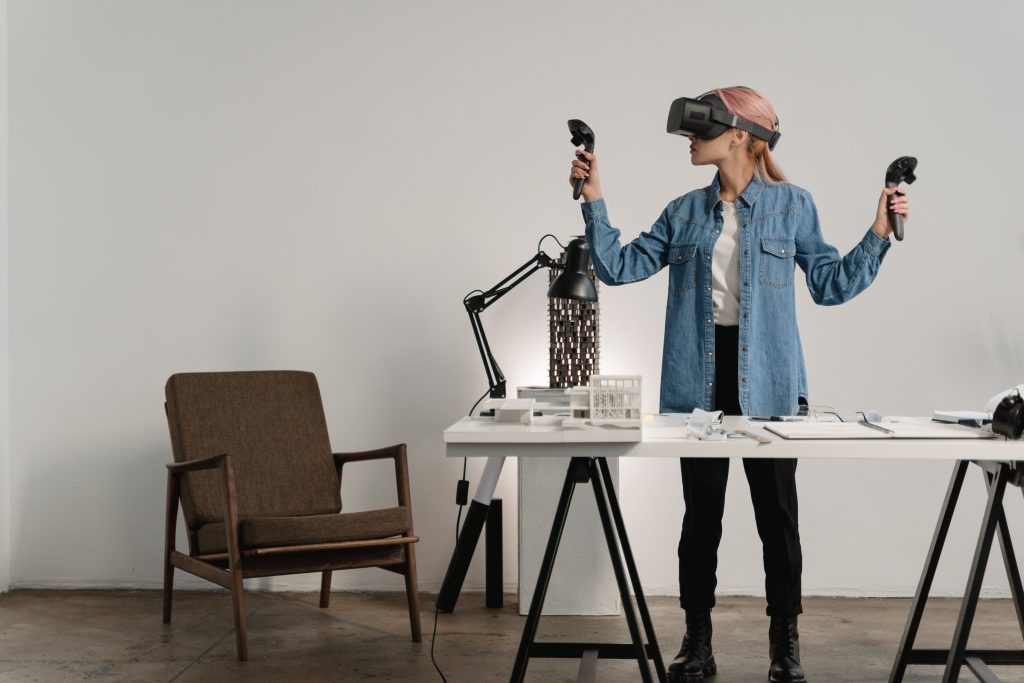
People are increasingly interested in mixed reality, and a lot of that is because of what it could do for training and schooling. It’s generally simpler to pick up complicated skills if directions seem to be right in the location where you’re doing something. So, you wouldn’t have to look at a guide and then at what you’re actually working on; the help is within the same physical area.
Those who study education say learning by being totally surrounded by something can help certain learners grasp how large or small things are, their form and how things move. Professionals in the world of work add that with mixed reality, people in different places can work together; digital comments, representations, or a shared view can all appear as though they are in the same room.
However, experts warn that we don’t need this level of tech for everything. Mixed reality works best when it actually solves a problem with seeing or needing your hands, as opposed to just being another type of screen.
Why Comfort, Price, and Privacy Still Limit Adoption
Lots of people are becoming more interested in mixed reality, but it isn’t something most of us have in our houses yet for very down to earth reasons. The headsets and everything that goes with them are pricey, and they’re still not that comfortable to wear. A gadget might do a lot, but if it’s heavy or gets in your way, you won’t use it for long.
Privacy is another big issue, according to security experts. Mixed reality sets generally use cameras and sensors to create a picture of a room and understand what’s around you. This makes you wonder what information is being collected, how long it’s kept, and who has access to it.
So, experts say to thoroughly look at your privacy options, how well your account is secured, and what the device is allowed to do. And, as they point out, most of us will only start to like the idea of this tech if we’re okay with things being closely watched by devices in our homes.
What Experts Expect From Mixed Reality in Daily Life
The people who look at new technologies say we typically get into them bit by bit. A new tech will often first be used for very specific jobs or for learning, and then more and more people will start using it. Mixed reality could very well go the same way, assuming it gets more comfortable to use and we can easily see why to use it all the time.
What’s important in the future, according to those in the know, isn’t just what mixed reality is right now, but where it will be more helpful than a phone, a tablet or a laptop. If it can speed things up, make things easier to understand and integrate into what we do, we’ll probably start to see it in our homes and at work.
At the moment, mixed reality is still being developed and it’s pretty obvious what it’s good at, and what it isn’t.
Frequently Asked Questions
Q: What is mixed reality in simple words?
A: Mixed reality blends the physical world with digital content that appears to stay and interact within real surroundings.
Q: Is mixed reality the same as virtual reality?
A: No. Virtual reality usually replaces the physical environment, while mixed reality blends digital elements into the real world.
Q: How is mixed reality different from augmented reality?
A: Mixed reality usually aims for deeper interaction between digital content and the real space, while augmented reality often places simpler digital overlays on top of the world.
Q: What can mixed reality be used for?
A: Experts say it may support learning, training, remote collaboration, product viewing, and some hands-free everyday tasks.
Q: Why is mixed reality not common everywhere yet?
A: High cost, device comfort, battery limits, and privacy concerns still affect wider adoption.
Key Takeaway
Why is everyone so interested in mixed reality, at home and at work? Well, people who know about it say it’s a type of technology that really pulls you in and mixes digital things with what’s actually around you, and it’s much more back-and-forth than just looking at a normal screen. How mixed reality develops will probably hinge on how comfortable it is to use, how much it costs, keeping your information private, and if you can easily see how it would fit into your everyday life to make it more useful than the phones and tablets we have now.
[INTERNAL LINKING SUGGESTIONS]
– What Smart Glasses Do and How They May Change Daily Tech Use
– What Wearable AI Devices Do and Why Interest Keeps Growing
– How to Use AI Writing Tools More Carefully for Everyday Tasks