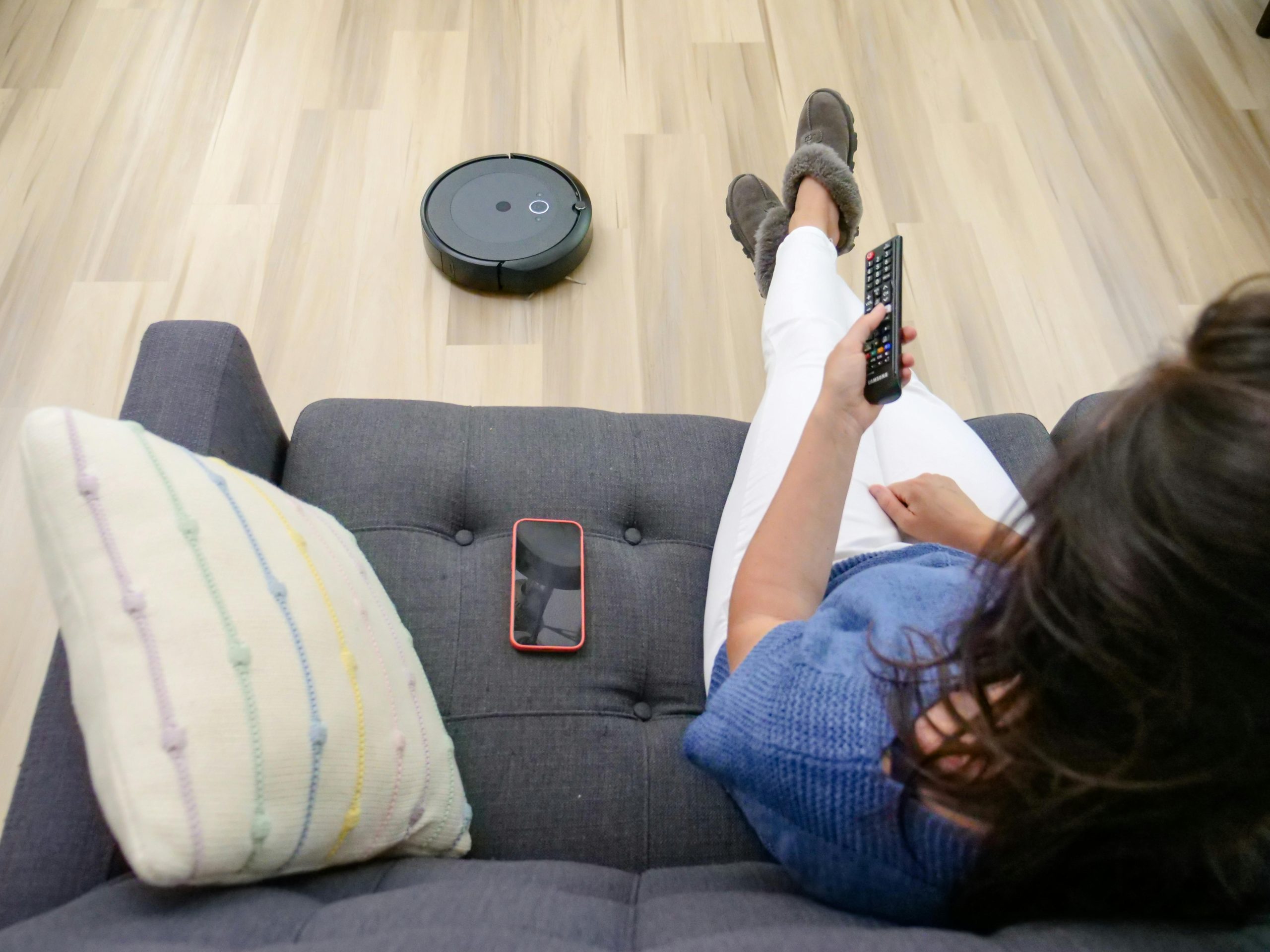
As more and more of our homes get smart devices and things that do jobs for us, a lot of people are getting curious about how consumer robots actually work. These robots are made to do fairly particular jobs, and don’t need a lot of instruction from us. They use sensors, programs and ways of getting around to react to what’s going on around them. They aren’t the type of machine that can do absolutely anything, yet you’re seeing them do more and more of the regular stuff in a house.
People who study robotics at universities say domestic robots are becoming more common because people would like a hand with boring, repeating jobs, keeping an eye on things easily, and just getting some support with what they’re doing. Those in the appliance world also point out that what we expect from robots is often from science fiction – and that can make actual robots appear either amazingly capable, or surprisingly limited. A good explanation of how they are now, and how they might be in the future, will show where they fit into things.
How Consumer Robots Work in Basic Everyday Terms
Consumer robots essentially work by using both physical parts (hardware) and instructions (software) to understand what’s going on around them, decide (in a basic way) what to do, and then do something. A robot for the home might use wheels, cameras, sensors to measure distance, or a way to create a map of a room to get around. The program that runs it will then tell it to do things like steer clear of things in its path, go back to its charger, or follow a specific route to finish a job.
Robotics engineers generally say consumer robots are for a pretty specific task. They’re built to do one particular thing, not to have the kind of flexible thinking a person does. Because of this, a robot vacuum can get around a room just fine, but won’t have any idea of what else might be going on with the house as a whole.
What makes consumer robots worthwhile, according to experts, is their ability to do the same thing over and over. A robot doesn’t have to be very smart to be helpful if it can reliably, with very little help from you, do a single job repeatedly.
Credit: Kindel Media / Pexels
What Home Robots Explained Through Common Examples
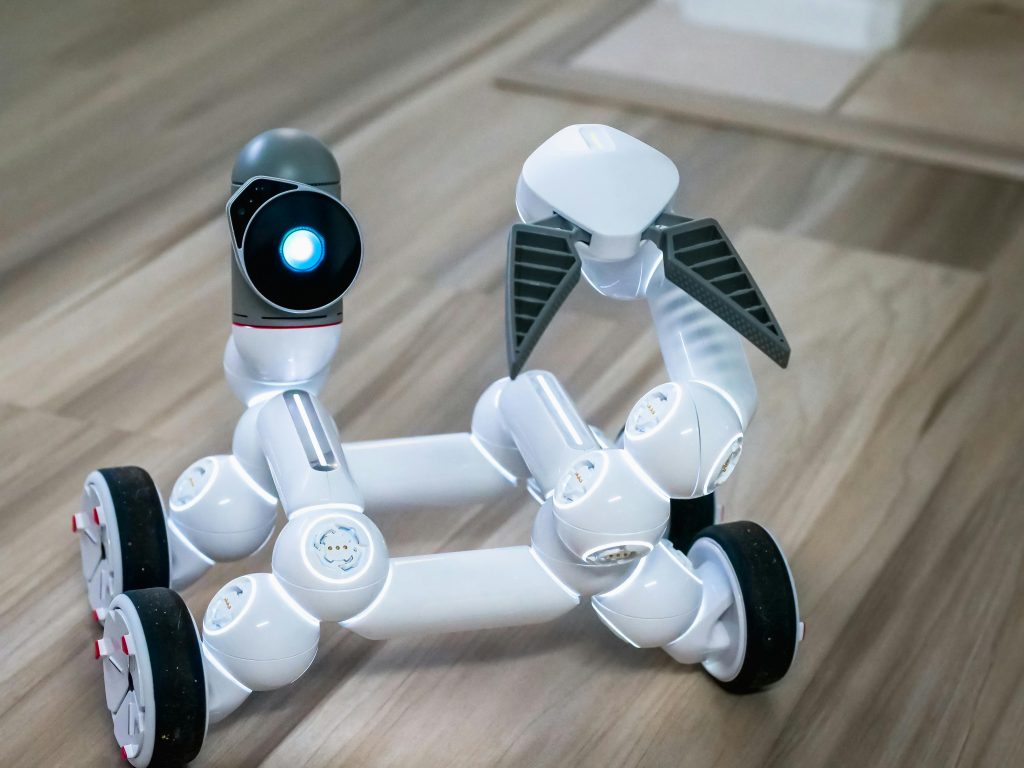
Most people, when they think of a robot, picture a machine that looks like a person. But actually, the robots we have in homes today are generally much plainer. They’re designed for what they do more than for how they look. A robot that vacuums, one for the lawn, a window cleaner, or even a little helper that moves around are all still robots, even if they aren’t humanoid.
Analysts of consumer technology say these machines are constructed to be good at their job. A robot which cleans doesn’t require arms or a face to be helpful. What it does need is to be able to move, know where it is, and deal with the same things happening in the same place over and over. This sensible approach to building them keeps the price down, makes them a reasonable size and lowers how much electricity they use.
This is a big reason why home robots don’t usually seem as spectacular as you might expect. They are valuable because they do a single thing consistently, rather than by seeming very sophisticated on the outside.
How Sensors and Mapping Help Consumer Robots Work
One of the main reasons consumer robots work in real homes is their use of sensors. These devices may rely on infrared detection, cameras, bump sensors, cliff detection, wheel tracking, or other systems that help them understand nearby space. Together, these tools guide movement and reduce collisions.
Hardware specialists explain that many home robots also build a basic map of the room or at least track where they have already moved. This allows them to cover an area more efficiently instead of wandering randomly. Better mapping often means better performance, especially in spaces with furniture, narrow paths, or multiple rooms.
Experts also note that sensor quality matters. A device may seem intelligent not because it reasons deeply, but because its sensors provide enough reliable information to support smoother action.
Why Consumer Robots Are Usually Built for One Job
Personal robots generally do a good job when they’re designed to do one thing. If a machine is for cleaning floors, watching for activity by a door, or carrying things around inside, it has a very specific purpose. This concentration on a single job makes it easier to see how well it’s doing and to make it work even better.
Robotics people say it’s hard to get robots to be a general helper around the house because homes are so full of surprises. Things are in different places, the arrangement of rooms can be altered, pets get in the way, and what you need doing is all over the place in a way one simple robot can’t easily handle. It’s much simpler to build a robot that excels at one thing than one that is meant to adjust to absolutely everything.
So, people who know about this say we shouldn’t be too critical of these robots. Their aim is more to get rid of certain boring, repeating chores, and not to be as adaptable as people are at all different tasks throughout the house.
Credit: Ron Lach / Pexels
Where Everyday Robotics May Help Most in Daily Life
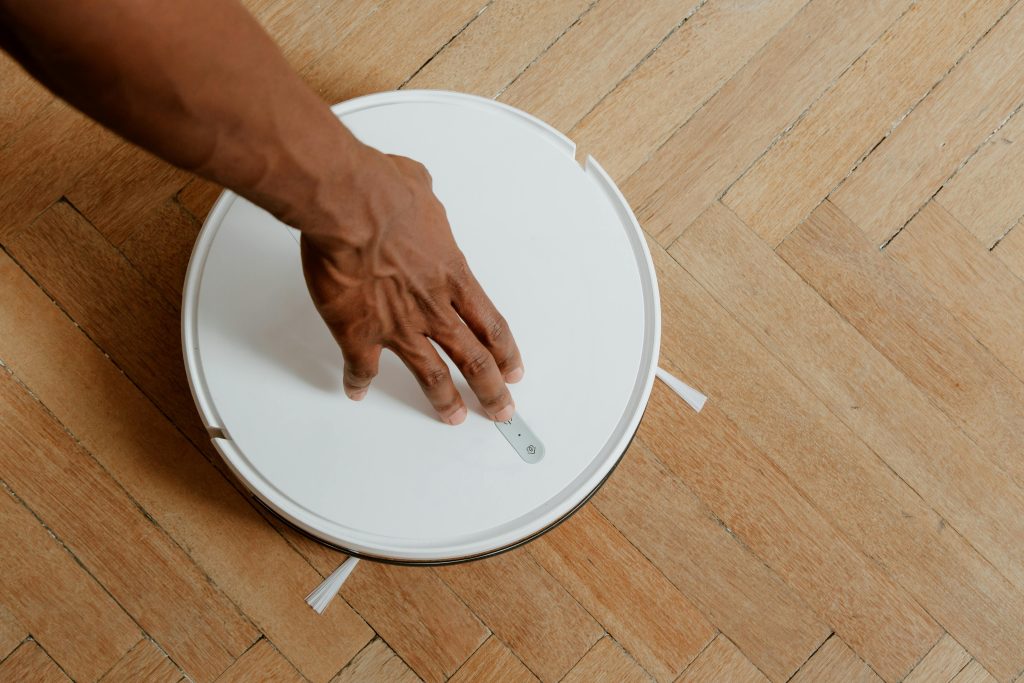
Everyday robotics tends to be most useful in tasks that are repetitive, time-consuming, and easy to define. Floor cleaning is a common example because the job follows a clear pattern. Monitoring, routine movement, and scheduled actions are other areas where robots may fit naturally.
Home technology specialists note that consumer robots may also support older adults, busy households, or people who want help with predictable chores. In those cases, even a limited device can feel valuable if it removes a small but repeated burden from the day.
Experts also point out that usefulness depends on environment. A robot may perform well in one home and less effectively in another, depending on layout, flooring, obstacles, pets, and Wi-Fi coverage where connectivity matters.
Why Consumer Robots Still Have Practical Limits
Consumer robots are good at certain things, but they’re still not great at deciding what to do, being adaptable, or looking after themselves. Things like lots of stuff around, wires, strange floors, or a room that looks different at different times can give a robot trouble. Plus, you’ll need to put it on to charge, empty it, install updates to its software, or physically get it out of a jam when it runs into something it can’t handle.
People who study these devices say a lot of us ask for too much from them. A robot can do a section of a regular job, but you’ll often have to get the room ready for it, check what it’s done, or fix anything that goes wrong. This isn’t to say the robot doesn’t do anything useful, but it does mean that at the moment most home robots work with you, rather than doing everything on their own.
What experts advise is to be sensible in what you hope for.
How Privacy and Data Matter for Personal Robot Technology
To do their jobs, many robots for home use need things like cameras, microphones, maps, or how you actually use them. Because of this, your privacy is something you have to think about, particularly as these robots go around your home or link to online services. Even a robot that’s being useful can pick up on important details about where it is and what’s going on around it.
Before you get into the habit of using robots that are connected to the internet, privacy professionals suggest looking at your account security, what the apps they use are allowed to do, how your data is saved, and when their software gets updated. And a good, secure Wi-Fi network at home, along with being careful about how you manage the robots themselves, will lower the chances of problems you could have prevented.
Privacy worries aren’t equal for all robots.
Why Interest in Consumer Robots Keeps Growing
Researchers who study emerging devices explain that interest continues because robots fit a larger shift toward automation in daily life. People are already used to smart speakers, connected lights, and app-based home control. Robots extend that pattern by adding movement and physical action to digital systems.
As sensors improve and costs become easier for households to manage, consumer robots may handle more useful niche tasks around the home. Experts say the strongest growth will likely come from machines that solve clear problems simply rather than from dramatic multi-purpose designs.
The question is not only whether consumer robots work, but where they work well enough to become worth keeping in everyday routines. In many homes, that answer is still developing, but interest is unlikely to fade soon.
Frequently Asked Questions
Q: What are consumer robots?
A: Consumer robots are personal-use machines designed to perform specific tasks in homes or everyday settings with limited human input.
Q: Do consumer robots think like humans?
A: No. Experts explain that most consumer robots follow programmed rules, sensor input, and limited task-based decision systems.
Q: What helps consumer robots move around a home?
A: Many use sensors, mapping tools, cameras, bump detection, and software that helps them avoid obstacles and follow paths.
Q: Are home robots useful for every household?
A: Not always. Their usefulness depends on layout, routine needs, maintenance expectations, and how well the task matches the device.
Q: Do consumer robots raise privacy concerns?
A: Some do, especially when they use cameras, mapping features, or cloud-connected apps that collect information about the home.
Key Takeaway
Understanding how consumer robots work helps show why these devices are becoming a more visible part of home technology. Experts describe them as narrow-purpose machines that use sensors, software, and routine-based automation to handle specific tasks. Their future role will likely depend on reliability, privacy protection, cost, and whether everyday robotics continues to solve simple household problems clearly enough to matter.
[INTERNAL LINKING SUGGESTIONS]
– What Mixed Reality Means for Everyday Users and How It Works
– What Wearable AI Devices Do and Why Interest Keeps Growing
– How to Set Up Smart Home Devices for Better Security and Convenience