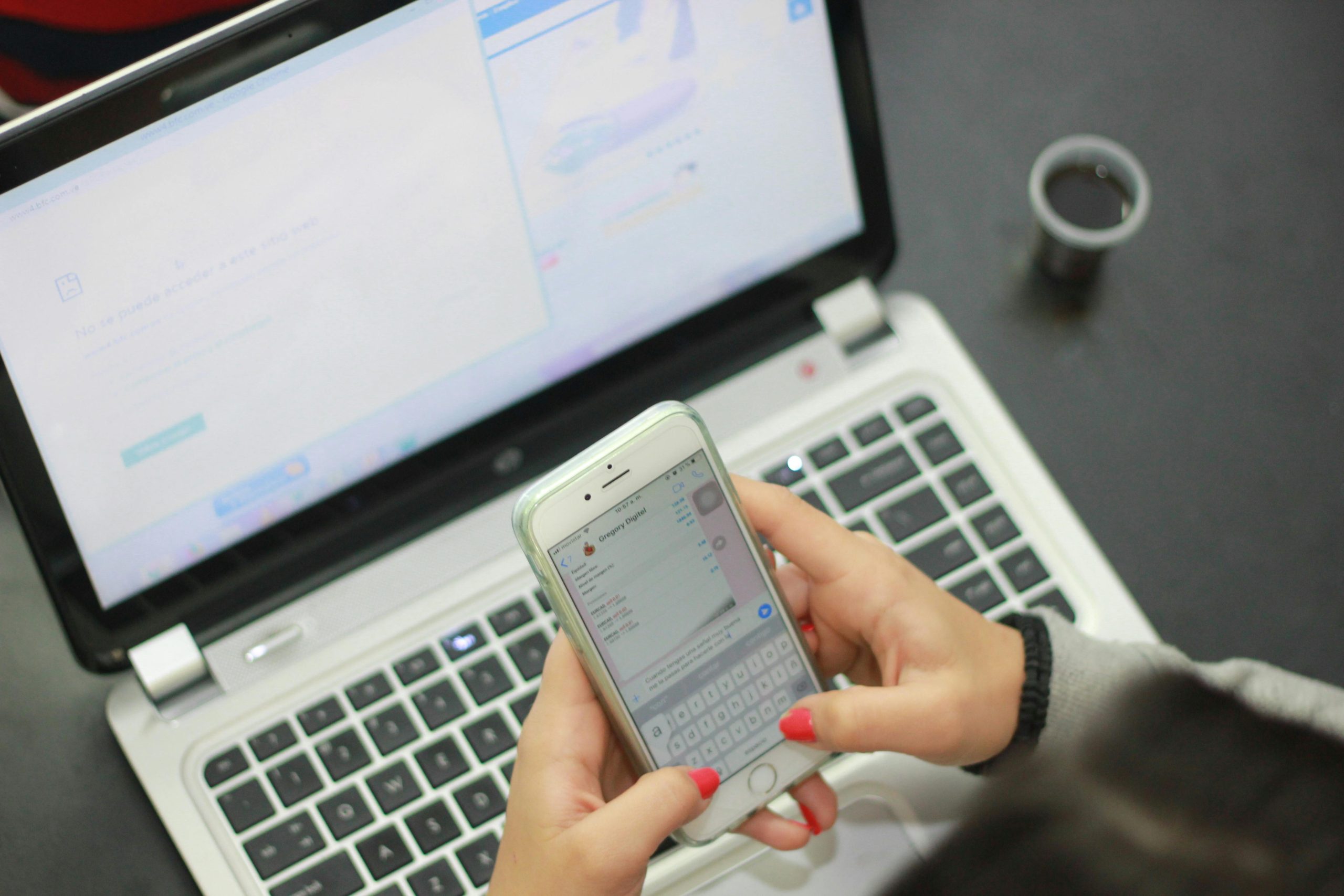
You’re likely using artificial intelligence in your day-to-day life all the time, often without realizing it. This piece will show you where AI is within the tech you use every day, how things like voice activated helpers and general automation are shifting how we do things online, and why this is all important for people like you and me.
A lot of the people who study software will tell you AI isn’t just for very specific jobs or complicated scientific investigations anymore. Instead it’s now in programs all of us use to organize emails, guess what you’re looking for in a search, make pictures better, get rid of junk mail, or do what you say to them on your devices.
Where AI in daily life shows up most often
We use artificial intelligence all the time in our day to day lives, with things like our emails, when we search online, on phones, on maps and on social media. Your email’s spam folder sorts out the junk before you even see it. When you use a search engine, it tries to guess what you’re looking for. And your route apps work out the traffic and advise you on quicker ways to get to where you’re going. We’re so used to these things now, but they all work because of automated pattern recognition.
Teachers of technology frequently say that these systems are good for us as they cut down on time spent on boring, repeated jobs. More importantly, they affect how we locate and get information, meaning they have a lot more impact than you might initially think.
How AI tools help with routine organization
AI is often useful for the things we do all the time to get ourselves organised, with help for arranging, grouping or deciding which information is most important. Your email program might point out the messages that are likely to be from people you want to hear from and programs for your diary will offer times for meetings. When you’re writing, software will show you spelling mistakes or guess the word you are about to type.
People who really understand being productive say these kinds of things are at their best when they are straightforward and do what you’d expect. You don’t have to know all the complicated workings to get something from them, though it’s a good idea to realise how much these automatic tips are influencing what you do each day.

Credit: Jakub Zerdzicki / pexels
Why voice assistants remain one of the clearest examples
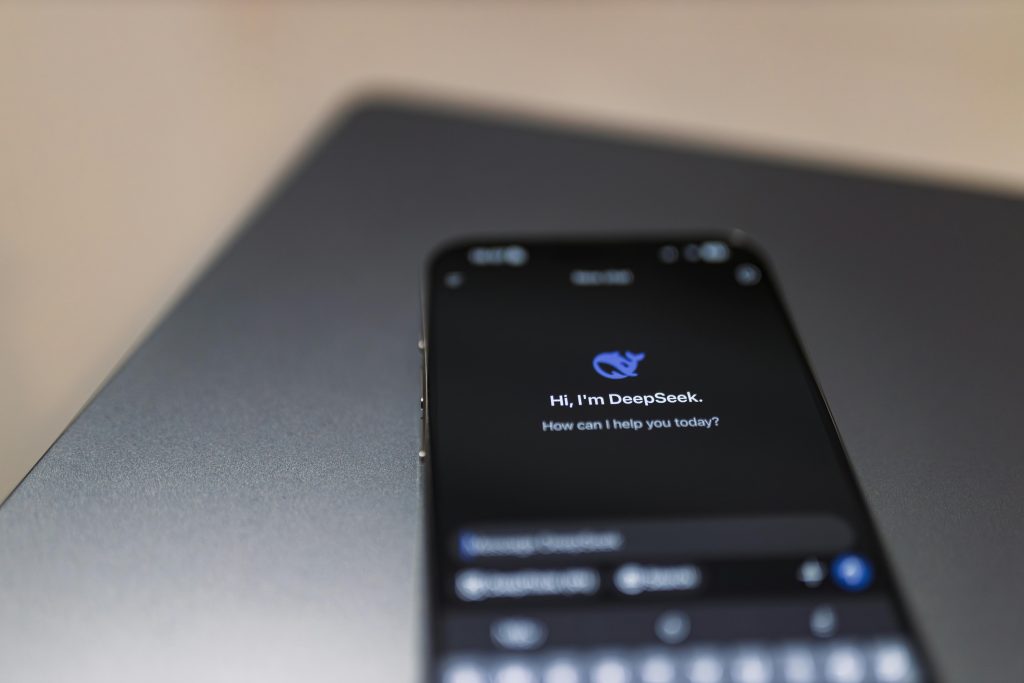
You can really experience AI pretty easily with voice assistants – you talk to them. When you set a timer, get the forecast, manage your tunes, or quickly look something up, all that depends on a system that understands what you say and figures out what you probably mean.
A lot of people who teach digital skills point out that voice assistants illustrate both what AI is good at and where it falls down. They’re excellent for short, specific things you want done. But for anything more complicated, you’ll often still need a person to think things through or double check the results.
How everyday automation changes digital habits
Automation in our daily lives eases things for us in little ways you can tell. Your phone might automatically put photos in order, tell you the best way to go considering the traffic, and block calls that are probably spam. When you’re shopping online, apps will guess when things will arrive. Streaming services pick out shows for you to watch based on what you’ve watched before.
However, people studying the tech we buy as customers frequently point out that this ease can also mean we aren’t paying as much attention. We get used to the computer making decisions for us, and don’t realize how often those systems determine what we look at initially, what we overlook, or even what jobs we just stop doing by ourselves.
What users should keep in mind about limits and errors
AI is useful, but it definitely has flaws. When you get a summary from a search, it might leave out important parts of the original meaning, voice activated helpers may not get what you want, and things automatically tagged by AI can be put in the wrong category. Because of this, experts in understanding digital tools generally say to use AI’s ideas as a helping hand, not the last word on something.
And it’s good to be mindful of the fact that a lot of AI gets better by learning from what people do with it. Your privacy options, what a program is allowed to do with your account, and how you share your information all change how these AI systems function. So simply being informed is a big piece of using AI safely and sensibly every day.
Credit: Matheus Bertelli / Pexels
Why this topic matters for ordinary users
You don’t have to be a computer expert to get why AI is important. It’s not about how complicated AI is on the inside. It’s about how frequently tools that work on their own now affect what we do every day, the way we talk to each other, the information we get, and the choices we make while being online.
Those who watch and teach about technology and rules for it, generally think the same thing: people are best off knowing what a tool is doing for them, what it’s likely to be incorrect about, and when a person needs to check its work.
Frequently Asked Questions
Q: Is AI in daily life only found in special apps?
A: No. It also appears in email filters, search predictions, maps, voice assistants, and phone features that many people already use every day.
Q: Are voice assistants considered AI tools?
A: Yes. Voice assistants use systems that interpret spoken language and connect requests to likely actions or answers.
Q: Does everyday automation always make things more accurate?
A: Not always. Everyday automation can save time, but it can also make mistakes or miss context in some situations.
Q: Why should users think about privacy with AI tools?
A: Many AI tools rely on patterns, preferences, or behavior data to work more smoothly, so privacy settings and data access still matter.
Key Takeaway
AI isn’t something we’ll have in the future; it’s already part of how most of us do things. It’s influencing our email, what we get when we search online, the voice helpers we talk to, and all the automatic things lots of our usual gadgets and online services do. Being aware of both what AI is good at and its limits will mean you can use it realistically and with a good understanding of how it works.
[INTERNAL LINKING SUGGESTIONS]
– How Voice Assistants Understand Simple Commands
– What AI Search Tools Do Differently From Traditional Search
– Privacy Questions to Ask Before Using AI Features
Leave a Reply